








Many people feel unsure about which treatment option is right for them, especially when the gap is small or visible in the front of the mouth.
Dental veneers for missing teeth are often discussed as a cosmetic solution, but there is still confusion about when veneers are appropriate and when other treatments may be more suitable.
If you are exploring cosmetic and restorative dental solutions, working with an experienced clinic such as the Best Dentist in Turkey can help you make informed decisions based on your individual needs.
What Are Dental Veneers
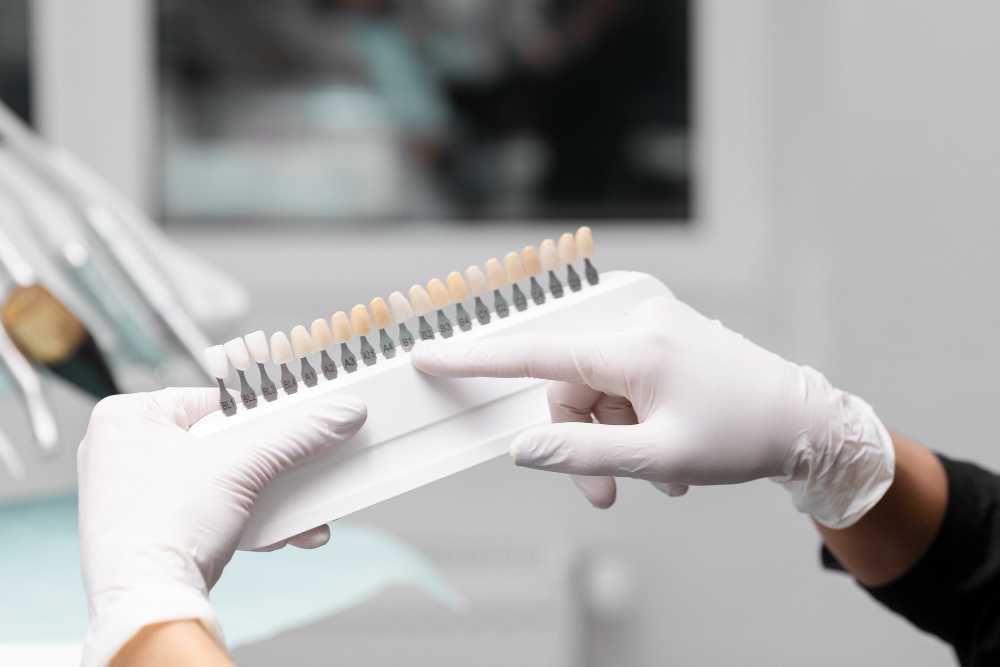
Dental veneers are thin custom made shells that are designed to cover the front surface of teeth.
They are typically made from porcelain or composite materials that closely mimic the look of natural enamel.
Veneers are commonly used to improve tooth color, shape, size, and alignment. They are bonded to existing teeth to create a natural looking and long lasting result.
How Dental Veneers Work
Dental veneers work by covering the visible portion of a tooth. A small amount of enamel is usually prepared to allow the veneer to sit flush with surrounding teeth.
Once bonded, veneers become part of the tooth surface. They do not move or come out and are designed to function like natural teeth during daily activities such as eating and speaking.
Veneers do not replace the root of a tooth. This means they are not designed to fill large gaps where an entire tooth is missing.
Can Dental Veneers Be Used for Missing Teeth
Dental veneers for missing teeth can be used in specific situations.
They are not intended to replace a fully missing tooth, but they can help improve the appearance of small gaps or spaces.
For example, veneers may be used when
A tooth is very small or peg shaped
A tooth is partially missing or worn down
There are minor gaps between teeth
The missing space is cosmetic rather than functional
In these cases, veneers can visually close spaces and create a balanced smile without surgical procedures.
When Dental Veneers Are Suitable for Tooth Gaps
Veneers may be suitable when gaps are small and the surrounding teeth are healthy. They are often used for front teeth where aesthetics are the main concern.
Patients who have strong enamel and good oral health are generally better candidates.
Veneers rely on the existing tooth for stability, so the tooth must be structurally sound.
A dental examination is essential to determine whether veneers can safely and effectively address the gap.
When Dental Veneers Are Not Recommended
Dental veneers are not recommended when an entire tooth is missing. In these cases, there is no tooth structure to support the veneer.
They may also not be suitable when
There is bone loss in the jaw
The gap affects chewing function
Multiple adjacent teeth are missing
The bite is unstable
In such situations, restorative treatments that replace the tooth root are usually more appropriate.
When veneers are not suitable due to full tooth loss or functional concerns, alternative treatments such as flexible dentures may be recommended to restore appearance and basic chewing function without surgery.
Dental Veneers vs Dental Implants
Dental implants are designed to replace both the root and the visible part of a missing tooth.
They are placed into the jawbone and topped with a crown.
Veneers, on the other hand, are cosmetic coverings for existing teeth. They do not replace missing roots or restore bite strength in the same way.
For small cosmetic gaps, veneers may be considered. For full tooth loss, implants are generally the more functional option.
Types of Dental Veneers Used in Smile Restoration
There are two main types of veneers commonly used in dentistry.
Porcelain veneers are known for their durability and natural appearance. They resist staining and reflect light similarly to natural teeth.
Composite veneers are made from tooth colored resin. They can often be placed more quickly and adjusted easily, making them suitable for certain cosmetic corrections.
Your dentist will recommend the most appropriate option based on your goals and dental condition.
Benefits of Dental Veneers for Small Tooth Gaps
Dental veneers offer several benefits when used correctly.
They can enhance the appearance of the smile
They provide natural looking results
They require minimal tooth preparation
They can correct multiple cosmetic issues at once
For patients with small gaps or uneven teeth, veneers can create a uniform and confident smile.
Limitations of Dental Veneers for Missing Teeth
It is important to understand the limitations of veneers. They do not restore chewing function in areas with missing teeth.
They also require healthy teeth for support. If oral health issues such as gum disease are present, these must be addressed first.
Veneers are a cosmetic solution and should not be viewed as a replacement for restorative treatments when teeth are fully missing.
Who Is a Good Candidate for Dental Veneers
Good candidates for dental veneers typically have
Healthy gums
Strong tooth enamel
Minor gaps or cosmetic concerns
Good oral hygiene habits
A consultation with a dental professional is necessary to assess suitability and create a personalized treatment plan.
The Dental Veneers Treatment Process
The treatment process usually begins with a detailed consultation. During this visit, your dentist will evaluate your teeth, gums, and bite.
Impressions or digital scans are taken to design veneers that match your natural smile. Temporary veneers may be placed while the final ones are being prepared.
Once ready, the veneers are carefully bonded to the teeth and adjusted for comfort and appearance.
Recovery and Aftercare
Most patients experience little to no discomfort after veneer placement. Normal activities can usually be resumed quickly.
Maintaining good oral hygiene is essential. Regular brushing, flossing, and dental checkups help extend the life of veneers.
Avoiding habits such as biting hard objects can also protect your veneers.
How Long Dental Veneers Last
With proper care, dental veneers can last for many years. Their longevity depends on oral hygiene, lifestyle habits, and regular dental visits.
Routine professional cleanings and examinations help ensure veneers remain in good condition.
Risks and Considerations
As with any dental treatment, there are considerations to keep in mind. Veneers require the removal of a small amount of enamel, which is not reversible.
They may not be suitable for patients who grind their teeth without protective measures.
A professional evaluation helps minimize risks and ensures appropriate treatment selection.
Dental Veneers and Overall Oral Health
While veneers primarily address cosmetic concerns, they can contribute to improved confidence and motivation for oral care.
Patients who feel good about their smile are often more committed to maintaining healthy dental habits.
However, veneers should always be part of a comprehensive oral health plan.
Combining Veneers With Other Treatments
In some cases, veneers are combined with other treatments to achieve optimal results.
For example, Teeth whitening may be recommended before veneer placement to ensure a consistent tooth color.
This integrated approach helps create a balanced and natural smile.
Frequently Asked Questions
Can veneers replace a missing tooth
Veneers cannot replace a fully missing tooth. They are used to improve the appearance of existing teeth and small gaps.
Are veneers suitable for front teeth gaps
Yes veneers are commonly used to address small gaps in front teeth when the surrounding teeth are healthy.
Do veneers look natural
When designed and placed correctly, veneers closely resemble natural teeth in color and shape.
Conclusion
Dental veneers for missing teeth can be an effective solution in specific cosmetic situations.
They are best suited for small gaps and minor tooth irregularities rather than full tooth loss.
Understanding their benefits and limitations is key to making the right decision.
A professional consultation allows you to explore whether veneers align with your dental needs and smile goals.
With expert guidance and proper care, veneers can play a valuable role in creating a confident and healthy smile.