









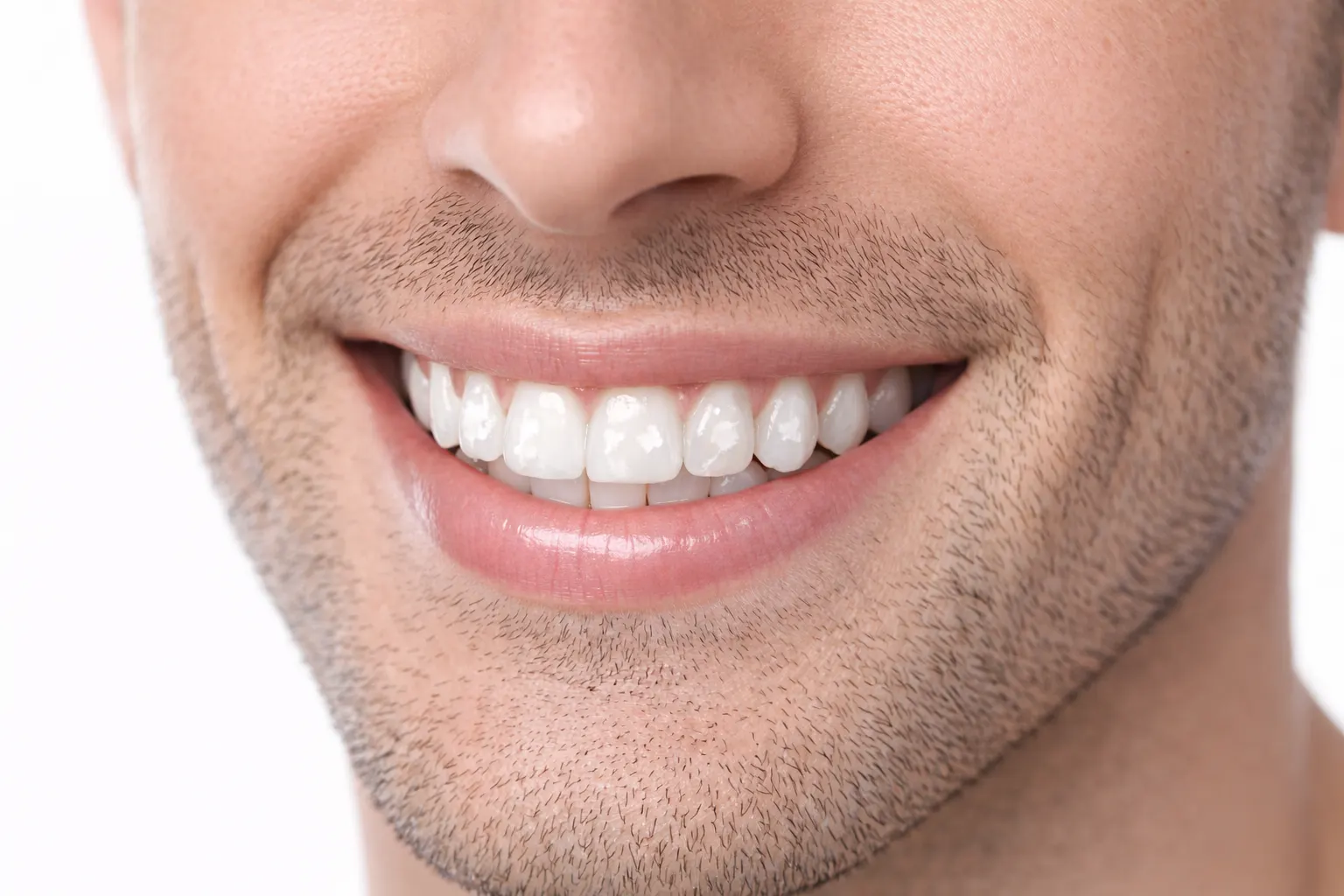
Have you ever noticed chalky white marks on your teeth when you smile in the mirror. These white spots on teeth often catch people by surprise. They can appear suddenly or slowly become more visible over time.
While they may not always cause pain, they are usually a sign that something is happening beneath the surface of your enamel.
White spots on teeth are a common dental concern among both children and adults. They can affect confidence, especially when they appear on front teeth.
Many people assume they are only a cosmetic issue, but in reality, white spots can be an early warning sign of enamel weakness or mineral loss.
Understanding why white spots appear is the first step toward protecting your smile. With the right knowledge and professional dental care, many cases can be treated effectively and even prevented in the future.
For patients seeking trusted dental guidance and advanced care options, consulting the best dentists in istanbul turkey can help ensure accurate diagnosis and personalized treatment plans early on.
What Are White Spots on Teeth
White spots on teeth are areas where the enamel has lost minerals. Enamel is the hard outer layer that protects teeth from damage.
When minerals such as calcium and phosphate are reduced, the enamel becomes porous and reflects light differently. This change in light reflection is what causes the white or chalky appearance.
These spots may look dull, opaque, or milky compared to the surrounding enamel. They can vary in size and location, sometimes covering a small patch or spreading across larger areas of the tooth surface.
Although white spots are often harmless at first, they should never be ignored. Without proper care, they can progress into cavities or lead to long term enamel damage.
Common Causes of White Spots on Teeth
Poor Oral Hygiene
Inadequate brushing and flossing allow plaque to build up on teeth. Plaque contains bacteria that produce acids, which attack the enamel.
Over time, this acid exposure causes mineral loss, leading to white spot lesions.
This is especially common around the gum line and between teeth where plaque is harder to remove.
Demineralization After Braces
White spots on teeth are frequently seen after orthodontic treatment. Brackets and wires make cleaning more difficult.
When plaque accumulates around braces, it can cause localized demineralization.
These white marks often appear once braces are removed, revealing areas of weakened enamel.
Excessive Fluoride Exposure
Fluoride is beneficial for teeth when used correctly. However, excessive fluoride intake during early childhood can cause dental fluorosis.
Dental fluorosis appears as white streaks or patches on teeth. In mild cases, it is mostly a cosmetic issue, while severe cases may involve discoloration and surface irregularities.
Enamel Hypoplasia
Enamel hypoplasia occurs when the enamel does not develop properly. This condition can result from nutritional deficiencies, illness during early childhood, or certain medical conditions.
Teeth affected by enamel hypoplasia are more vulnerable to damage and often show white, yellow, or brown spots.
Acidic Diet and Frequent Snacking
Regular consumption of acidic foods and drinks such as soda, citrus fruits, and energy drinks can weaken enamel. Acids dissolve minerals from the tooth surface, increasing the risk of white spots.
Frequent snacking also exposes teeth to repeated acid attacks, giving enamel less time to recover.
Dry Mouth and Reduced Saliva
Saliva plays a vital role in protecting teeth by neutralizing acids and aiding remineralization. When saliva flow is reduced, the risk of enamel damage increases.
Dry mouth can be caused by medications, dehydration, or certain health conditions.
Are White Spots on Teeth a Sign of Tooth Decay
White spots on teeth are often the earliest visible sign of tooth decay. At this stage, the enamel has begun to lose minerals, but a cavity has not yet formed.
The good news is that early intervention can stop or even reverse the process. With professional guidance and proper oral care, enamel can regain strength before permanent damage occurs.
Ignoring white spots, however, may allow decay to progress deeper into the tooth.
White Spots on Teeth in Children
White spots are commonly seen in children, particularly on newly erupted teeth. In many cases, they are related to fluoride exposure or poor brushing habits.
Children may also develop white spots after prolonged use of bottles or sippy cups containing sugary drinks. This condition is sometimes referred to as early childhood caries.
Parents should monitor their child’s oral hygiene routine and schedule regular dental checkups to detect early changes in enamel.
White Spots on Teeth in Adults
In adults, white spots are often linked to lifestyle habits and oral hygiene practices. Acidic diets, smoking, and inconsistent dental care can all contribute to enamel demineralization.
Adults who have undergone orthodontic treatment or experience dry mouth may also notice white patches forming over time.
Professional evaluation helps determine the underlying cause and the most appropriate treatment approach.
How Dentists Diagnose White Spots on Teeth
Dentists assess white spots through visual examination and a detailed dental history. They may ask about dietary habits, fluoride use, and oral hygiene routines.
In some cases, special lighting or imaging tools are used to evaluate the depth of enamel damage. Accurate diagnosis ensures that treatment is both effective and conservative.
Treatment Options for White Spots on Teeth
Remineralization Therapy
Early stage white spots can often be treated with remineralization techniques. These treatments help restore lost minerals and strengthen enamel.
Dentists may recommend fluoride applications or calcium based products to support enamel recovery.
Resin Infiltration
Resin infiltration is a minimally invasive technique used to treat mild to moderate white spot lesions. The resin penetrates the porous enamel and blends the color with surrounding tooth structure.
This method improves appearance while preserving natural tooth material.
Professional Teeth Whitening
In some cases, professional whitening may help reduce the contrast between white spots and surrounding enamel. This approach does not remove the spots but can make them less noticeable.
A dentist will determine whether whitening is appropriate based on the cause and severity of the spots.
Dental Bonding
Dental bonding involves applying a tooth colored resin to cover white spots. It is often used when enamel damage is more pronounced.
Bonding provides immediate cosmetic improvement and protects the affected area.
Veneers for Severe Cases
For extensive or deep enamel defects, veneers may be considered. Veneers cover the front surface of teeth, creating a uniform and natural appearance.
This option is typically reserved for cases where other treatments are not sufficient.
Can White Spots on Teeth Be Prevented
Preventing white spots starts with maintaining strong enamel. Simple daily habits can make a significant difference.
Brushing twice a day with fluoride toothpaste helps remove plaque and strengthen enamel. Flossing daily cleans areas that brushing alone cannot reach.
Limiting acidic foods and sugary snacks reduces enamel erosion. Drinking water after meals can help neutralize acids.
Regular dental checkups allow early detection of enamel changes before white spots become visible.
Practical Tips for Managing White Spots at Home
While professional care is essential, there are steps you can take at home to support enamel health.
Use a soft bristled toothbrush and avoid aggressive brushing. Hard brushing can wear down enamel further.
Wait at least thirty minutes before brushing after consuming acidic foods or drinks. This allows enamel to reharden.
Stay hydrated to support healthy saliva production throughout the day.
When to See a Dentist for White Spots on Teeth
You should consult a dentist if white spots appear suddenly, increase in size, or are accompanied by sensitivity.
Early evaluation ensures that reversible conditions are treated promptly and prevents long term complications.
Seeking professional advice from experienced dental providers helps protect both oral health and smile aesthetics.
Frequently Asked Questions About White Spots on Teeth
Can white spots on teeth go away on their own
Some early white spots may improve with better oral hygiene and remineralization. However, many cases require professional treatment for noticeable improvement.
Are white spots permanent
Not all white spots are permanent. The outcome depends on the cause, severity, and timing of treatment.
Do white spots always mean cavities
White spots indicate enamel changes but do not always mean a cavity has formed. They should still be evaluated by a dentist.
Conclusion
White spots on teeth are more than just a cosmetic concern. They often signal changes in enamel health that deserve attention.
By understanding the causes and available treatments, patients can take proactive steps to protect their smiles.
With early diagnosis, professional care, and consistent oral hygiene, many white spots can be managed effectively.
Seeking guidance from qualified dental professionals ensures that treatment decisions are based on individual needs and long term oral health goals.
A healthy smile begins with awareness, prevention, and timely dental care.