









Losing a molar tooth can affect much more than just your smile. Molars play a major role in chewing, grinding food, and maintaining proper jaw alignment.
When a molar is missing, everyday activities like eating comfortably or speaking clearly can slowly become challenging.
A molar teeth implant is considered one of the most reliable and long lasting solutions for replacing missing back teeth.
Unlike temporary options, implants are designed to function like natural teeth while protecting surrounding oral structures.
This guide explains everything you need to know about molar teeth implant treatment. From understanding what it is to recovery and long term care, you will find clear, practical information to help you make informed decisions about your oral health.
For patients seeking expert guidance and advanced dental solutions, consulting a trusted provider such as the Best Dentist in Turkey can be an important step toward restoring confident chewing and overall dental wellness.
What Is a Molar Teeth Implant?
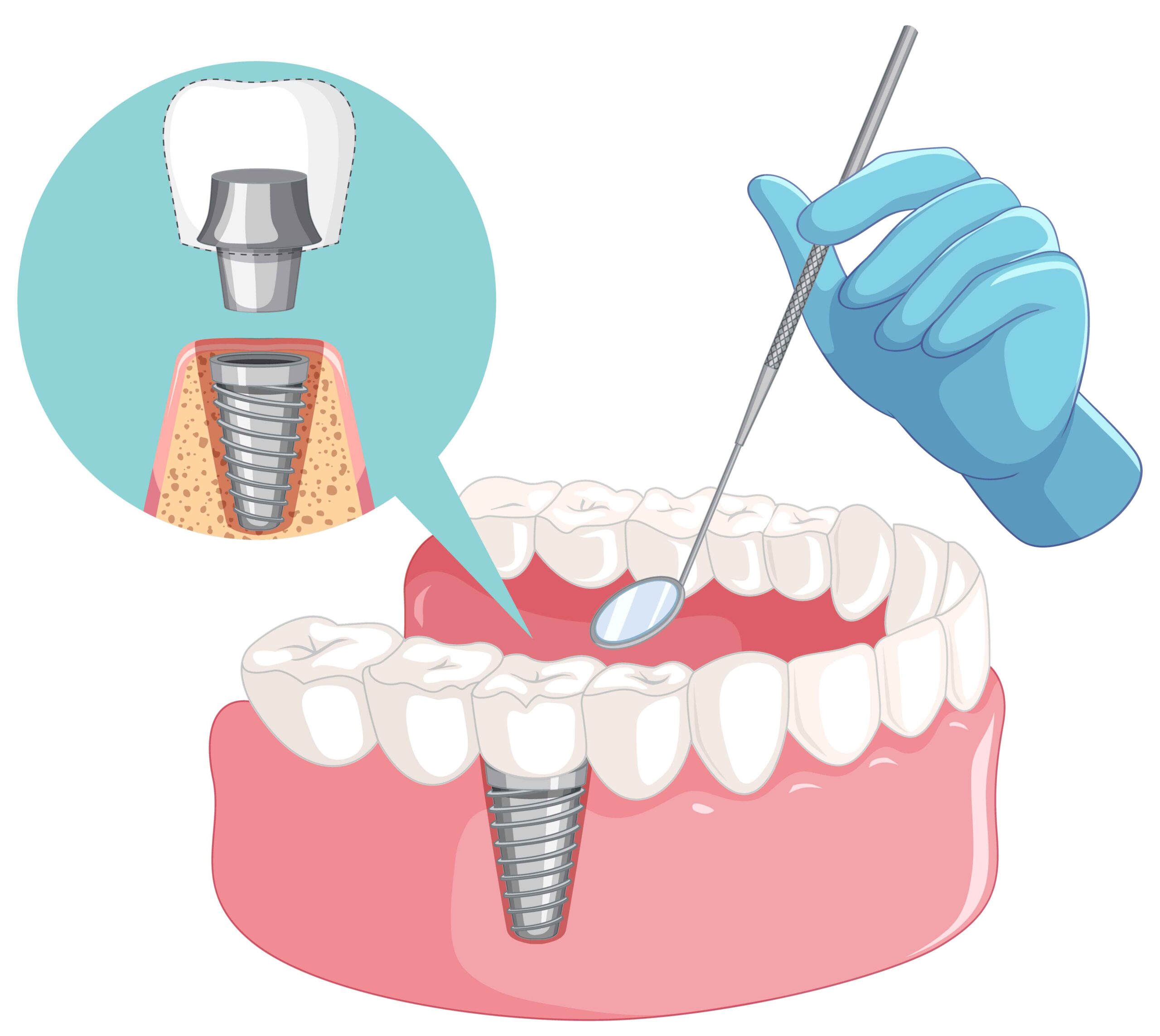
A molar teeth implant is a dental solution used to replace a missing molar tooth. It consists of a small titanium post that is placed into the jawbone, acting as an artificial tooth root.
Once the implant integrates with the bone, a custom made crown is placed on top. This crown is designed to look, feel, and function like a natural molar tooth.
Unlike removable solutions, implants are fixed in place. This stability allows patients to chew comfortably without worrying about movement or discomfort.
Dental implants are widely used in modern dentistry because they support both function and long term oral health.
Why Molar Teeth Are Important for Chewing
Molars are the largest and strongest teeth in the mouth. Their wide surfaces are designed to grind food into smaller pieces, which aids digestion.
When a molar is missing, chewing efficiency decreases. This may cause people to avoid certain foods, leading to nutritional imbalances over time.
Missing molars can also place additional strain on nearby teeth. This imbalance may contribute to tooth wear, jaw discomfort, and changes in bite alignment.
Replacing missing molars with a stable solution helps restore proper chewing force and protects the remaining teeth.
When Do You Need a Molar Tooth Implant?
A molar teeth implant may be recommended when a back tooth is lost due to decay, gum disease, injury, or extraction.
If the space is left untreated, the surrounding teeth may shift toward the gap. This movement can affect bite alignment and make cleaning more difficult.
Bone loss in the jaw can also occur over time when a tooth root is missing. An implant helps stimulate the jawbone and reduce further deterioration.
Early replacement of a missing molar often leads to better long term outcomes.
Benefits of a Molar Teeth Implant
One of the main benefits of a molar teeth implant is stability. Because it is anchored in the jawbone, it feels more like a natural tooth than other replacement options.
Implants help preserve jawbone density by mimicking the function of natural tooth roots. This support helps maintain facial structure.
Another benefit is improved chewing comfort. Patients can eat a wide range of foods without discomfort or fear of movement.
A well cared for implant can last for many years, making it a dependable long term solution.
Some dental patients also explore zirconia dental implants as an alternative with excellent biocompatibility and aesthetics.
Molar Teeth Implant vs Dental Bridge: Which Is Better?
A dental bridge replaces a missing tooth by relying on neighboring teeth for support. This often requires reshaping healthy teeth.
A molar teeth implant stands independently and does not affect adjacent teeth. This makes it a more conservative option for preserving natural tooth structure.
Implants also help maintain jawbone health, while bridges do not provide stimulation to the bone.
The best option depends on individual oral health needs and professional dental evaluation.
Who Is a Good Candidate for a Molar Tooth Implant?
Most healthy adults with good oral hygiene can be candidates for a molar teeth implant.
Adequate jawbone density is important to support the implant. In cases where bone loss is present, additional procedures may be recommended.
Patients should have healthy gums and be free from active infections.
A dental consultation helps determine whether implant treatment is suitable based on overall health and oral condition.
Molar Teeth Implant Procedure Step by Step
The process usually begins with a thorough dental examination and imaging.
During the surgical phase, the implant post is placed into the jawbone. This procedure is performed under appropriate anesthesia to ensure comfort.
After placement, the bone gradually bonds with the implant. This healing phase is essential for stability.
Once healing is complete, a crown is attached to restore full function and appearance.
Patients interested in understanding the full implant process in detail can explore more information about implant treatments to gain clarity on each stage.
How Long Does a Molar Teeth Implant Take?
The overall timeline varies depending on individual healing and treatment needs.
Initial healing after implant placement may take several weeks or months as the bone integrates with the implant.
In some cases, additional procedures may extend the timeline.
Your dentist will provide a personalized treatment plan outlining expected timeframes.
Pain and Recovery After Molar Tooth Implant Surgery
Most patients report mild to moderate discomfort after surgery, which is temporary.
Swelling and soreness typically improve within a few days.
Following post treatment care instructions helps promote smooth healing.
Regular follow ups ensure recovery is progressing as expected.
Success Rate of Molar Teeth Implants
Dental implants have a high success rate when placed by experienced professionals.
Proper planning, good oral hygiene, and regular dental visits contribute to long term success.
Lifestyle factors such as smoking may influence outcomes.
Your dentist will discuss ways to optimize implant success.
Molar Teeth Implant After Bone Loss
Bone loss can occur when a tooth has been missing for a long time.
In such cases, additional procedures may help rebuild bone support.
Addressing bone health allows implants to be placed more securely.
A personalized evaluation determines the most appropriate approach.
Bone Grafting for Molar Tooth Implants
Bone grafting involves adding supportive material to areas with reduced bone density.
This procedure helps create a stable foundation for the implant.
Healing time varies depending on individual response.
Your dentist will explain whether bone grafting is necessary.
Risks and Complications of Molar Teeth Implants
As with any dental procedure, risks exist but are generally minimal.
Possible issues include infection, delayed healing, or implant instability.
Choosing an experienced dental professional reduces these risks.
Early intervention helps address complications effectively.
How Long Do Molar Teeth Implants Last?
With proper care, molar teeth implants can last many years.
Daily brushing, flossing, and professional cleanings are essential.
Avoiding excessive pressure helps protect the implant.
Long term success depends on consistent oral hygiene habits.
Caring for Your Molar Tooth Implant
Caring for an implant is similar to caring for natural teeth.
Use a soft toothbrush and non abrasive toothpaste.
Attend regular dental checkups.
Molar Teeth Implant vs Dentures for Back Teeth
Dentures are removable and may feel less stable.
Flexible dentures offer a more comfortable and natural-looking removable option for patients who are not ready for implant treatment, while implants provide fixed support and improved chewing efficiency.
Implants also help preserve bone structure.
The right choice depends on individual preferences and dental evaluation.
Can You Get Two Molar Implants Side by Side?
Yes, multiple molar implants can be placed when needed.
Adequate bone support is essential for stability.
A customized treatment plan ensures proper spacing and function.
Professional assessment determines feasibility.
Frequently Asked Questions About Molar Teeth Implants
Do molar implants feel natural?
Yes, most patients report that implants feel very similar to natural teeth.
Can you eat normally with a molar implant?
Once healed, patients can chew comfortably with minimal restrictions.
Is special maintenance required?
Routine oral hygiene and dental visits are usually sufficient.
A molar teeth implant offers a reliable and natural feeling solution for replacing missing back teeth.
By restoring chewing function, supporting jawbone health, and improving overall oral balance, implants play a vital role in long term dental wellness.
Understanding the procedure, benefits, and care requirements helps patients feel confident about their treatment decisions.
With proper guidance and professional support, a molar teeth implant can significantly improve quality of life and oral comfort.