









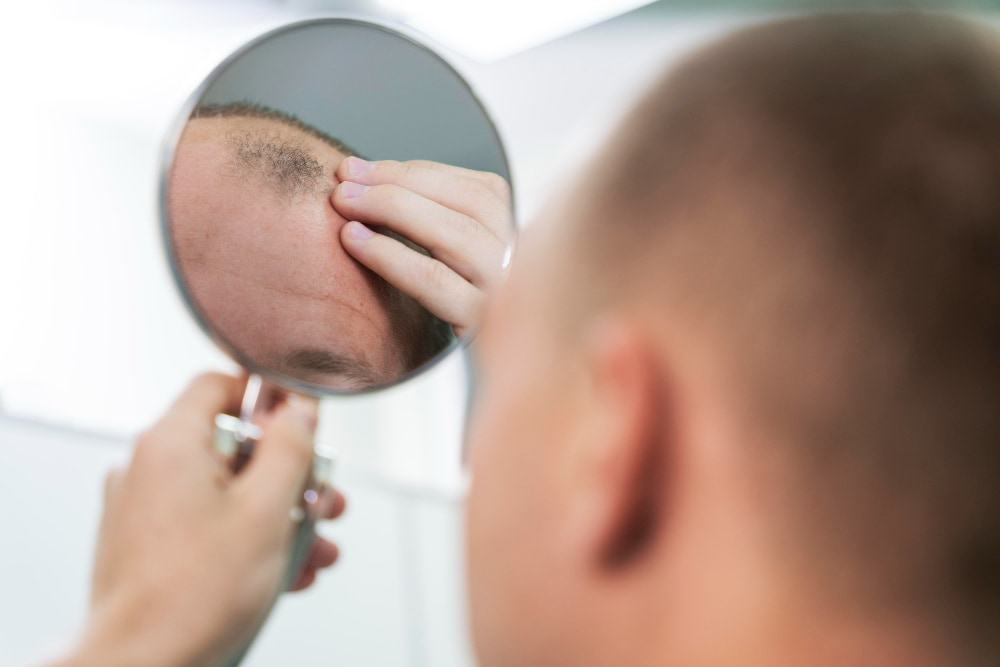
Hair loss can feel scary.
You may notice more hair in your brush, on your pillow, or in the shower. At first, it might seem small. But over time, it can affect how you look and how you feel.
The truth is, hair loss is very common. It can happen to both men and women, at any age.
Understanding the different types of hair loss is the first step to finding the right solution.
In this guide, you will learn what causes hair loss, how to spot the signs, and what you can do to manage it.
If you are already exploring treatment options, you can also look into a trusted hair transplant in Turkey to understand advanced solutions available today.
What Is Hair Loss?
Hair loss happens when hair falls out and does not grow back at the same rate.
This can be temporary or permanent.
In many cases, it is linked to hormones, stress, health conditions, or genetics.
Everyone loses some hair every day. Losing about 50 to 100 hairs daily is normal.
But when the loss becomes noticeable or patchy, it may be a sign of a deeper issue.
Androgenetic Alopecia (Pattern Hair Loss)
This is the most common type of hair loss.
It is also known as male or female pattern baldness.
What causes it?
It is mainly caused by genetics and hormones.
A hormone called DHT can shrink hair follicles over time. This makes hair thinner and shorter until it stops growing.
Signs to look for
In men:
- Receding hairline
- Thinning at the crown
In women:
- Widening part line
- Overall thinning
What you can do
- Use gentle hair care products
- Avoid tight hairstyles
- Consider medical treatments or hair restoration options
Telogen Effluvium
This type of hair loss is usually temporary.
It happens when a large number of hair follicles enter the resting phase at the same time.
Common triggers
- Stress
- Illness
- Surgery
- Sudden weight loss
- Hormonal changes
You can learn more about how stress plays a role in hair loss in this guide: Does Stress Cause Hair Loss.
Signs to look for
- Sudden shedding
- Hair coming out in handfuls
- Thinning across the whole scalp
What you can do
- Manage stress levels
- Eat a balanced diet
- Be patient as hair often grows back within months
Alopecia Areata
This is an autoimmune condition.
It happens when the immune system attacks hair follicles by mistake.
Signs to look for
- Round or patchy bald spots
- Sudden hair loss in small areas
In some cases, it can progress to total hair loss on the scalp or body.
What you can do
- Consult a specialist
- Use prescribed treatments
- Reduce stress and support overall health
Traction Alopecia
This type of hair loss is caused by pulling on the hair for a long time.
Common causes
- Tight ponytails
- Braids
- Hair extensions
Signs to look for
- Hair loss around the hairline
- Broken hairs
- Scalp discomfort
What you can do
- Avoid tight hairstyles
- Give your hair regular breaks
- Switch to loose styling options
Anagen Effluvium
This type of hair loss happens during the growth phase.
It is often linked to medical treatments.
Common causes
- Chemotherapy
- Radiation therapy
Signs to look for
- Rapid hair loss
- Loss of eyebrows and eyelashes
What you can do
- Use gentle hair care
- Protect your scalp
- Hair often grows back after treatment ends
Cicatricial Alopecia (Scarring Hair Loss)
This is a rare but serious condition.
It destroys hair follicles and replaces them with scar tissue.
Signs to look for
- Redness or swelling on the scalp
- Pain or itching
- Permanent hair loss in affected areas
What you can do
- Seek medical help early
- Follow prescribed treatments to stop further damage
Hair Loss Due to Nutritional Deficiencies
Your hair needs nutrients to grow.
When your body lacks key vitamins and minerals, hair can become weak and fall out.
Common deficiencies
- Iron
- Vitamin D
- Zinc
- Protein
Signs to look for
- Thinning hair
- Weak strands
- Slow growth
What you can do
- Eat a balanced diet
- Include protein-rich foods
- Consider supplements if advised by a doctor
Hormonal Hair Loss
Hormones play a big role in hair growth.
Changes in hormone levels can trigger hair loss.
Common causes
- Pregnancy
- Menopause
- Thyroid issues
Signs to look for
- Sudden thinning
- Hair shedding after childbirth
What you can do
- Check hormone levels
- Follow medical advice
- Maintain a healthy lifestyle
How to Know Which Type You Have
It is not always easy to tell the cause of hair loss on your own.
Different types can look similar.
When to see a specialist
- Hair loss is sudden or severe
- You notice bald patches
- Hair loss continues for months
A proper diagnosis can help you choose the right treatment.
Practical Tips to Manage Hair Loss
Here are simple steps you can start today:
- Be gentle when brushing and washing your hair
- Avoid heat styling tools when possible
- Eat a healthy and balanced diet
- Manage stress through rest and relaxation
- Use mild shampoos and conditioners
Consistency is key. Small changes can make a big difference over time.
When to Consider Advanced Treatments
If hair loss continues or becomes permanent, you may want to explore advanced solutions.
Hair transplant procedures can restore natural-looking hair.
They are especially helpful in cases like pattern baldness.
Always consult a trusted clinic to understand your options and expected results.
Conclusion
Hair loss can happen for many reasons.
The good news is that most types can be managed with the right approach.
By understanding the causes and signs, you can take action early and protect your hair.
If you are unsure about your condition, do not wait too long.
Getting expert advice can help you find the best solution and regain your confidence.
Healthy hair starts with the right knowledge and care.