









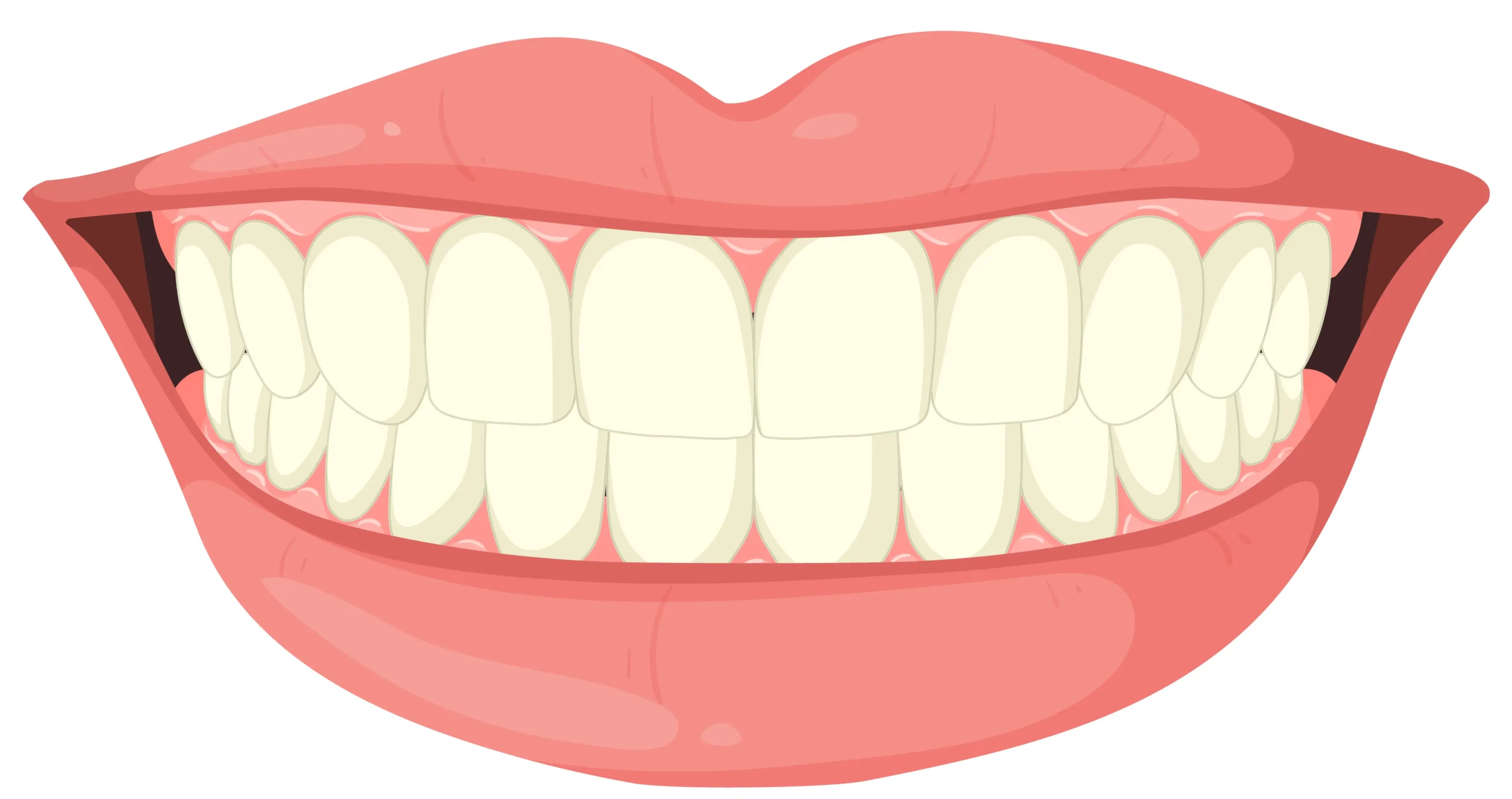
Have you ever noticed your teeth chattering without feeling cold?
For many people, it is something they associate with winter weather or a sudden chill.
But when it happens unexpectedly or frequently, it can feel confusing or even concerning.
It can range from a harmless, short term reaction to a sign of an underlying dental, medical, or emotional issue.
Understanding why it happens is the first step toward managing it properly and protecting your oral health.
You will also find practical tips to reduce symptoms and protect your teeth.
What Is Teeth Chattering?
It refers to rapid, involuntary movements of the jaw that cause the upper and lower teeth to tap together repeatedly.
It may happen occasionally or persist over time. Some people experience it only in specific situations, while others notice it randomly throughout the day or night.
While it often overlaps with teeth grinding or jaw clenching, it is not exactly the same.
Understanding this distinction helps dentists identify the underlying cause more accurately.
Common Causes of Teeth Chattering
It can have many possible triggers. Some are related to dental health, while others involve the nervous system, emotional health, or general medical conditions.
Cold Exposure
The most well known cause is exposure to cold temperatures.
When your body feels cold, muscles contract rapidly to generate heat. The jaw muscles are no exception, which leads to teeth chattering.
In these cases, the chattering usually stops once you warm up and does not indicate a dental problem.
Stress and Anxiety
Emotional stress is a very common and often overlooked cause.
When you feel anxious, your body enters a heightened state of alertness. Muscle tension increases, including in the jaw.
Some people notice it during stressful conversations, before public speaking, or during moments of nervous anticipation.
Over time, stress related chattering may evolve into clenching or grinding, which can affect tooth enamel and jaw comfort.
Teeth Grinding and Jaw Clenching
Teeth grinding, also known as bruxism, is closely linked to it.
People who grind their teeth may experience rapid jaw movements, especially during sleep or periods of concentration.
Nighttime grinding is particularly concerning because it often goes unnoticed until symptoms like jaw pain, headaches, or worn teeth appear.
Muscle Fatigue or Tension
Jaw muscles can become overworked just like any other muscle group.
Chewing gum excessively, talking for long periods, or maintaining poor posture can strain the muscles that control jaw movement.
When these muscles fatigue, involuntary movements like chattering may occur as the body tries to compensate.
Neurological Factors
In some cases, it is linked to how the nervous system controls muscle movement.
Conditions that affect nerve signaling may interfere with jaw control, leading to trembling or chattering movements.
While this is less common, persistent or unexplained chattering should always be evaluated to rule out neurological causes.
Side Effects of Medications
Certain medications can influence muscle control or nervous system activity.
Stimulants, medications that affect serotonin levels, or drugs that cause muscle tremors as a side effect may contribute to it.
If chattering begins shortly after starting a new medication, it is worth discussing with a healthcare provider.
Is It a Dental Problem?
Not all cases of teeth chattering originate in the mouth, but dental factors often play a role.
Bite Alignment Issues
When teeth do not align properly, the jaw may struggle to find a comfortable resting position.
This imbalance can cause repeated jaw movements, including chattering, as the muscles attempt to stabilize the bite.
Worn or Sensitive Teeth
Damaged or sensitive teeth may trigger protective jaw responses.
The body sometimes reacts by moving the jaw away from discomfort, which can present as chattering or trembling.
Temporomandibular Joint Disorders
The temporomandibular joints connect your jaw to your skull.
When these joints become irritated or inflamed, jaw movement can feel unstable or shaky.
People with joint disorders often report clicking sounds, jaw pain, and episodes of teeth chattering.
When It Is Normal
Occasional it is usually harmless.
It is considered normal when it occurs:
- During cold exposure
- In short periods of stress or excitement
- After intense physical activity
- Briefly during emotional responses
In these situations, the chattering typically resolves on its own without causing lasting effects.
When It May Signal a Concern
Persistent or frequent teeth chattering should not be ignored.
You may want to seek professional advice if you notice:
- Chattering that occurs daily or worsens over time
- Jaw pain, stiffness, or locking
- Tooth sensitivity or visible wear
- Headaches or facial discomfort
- Difficulty chewing or speaking
These signs suggest that the jaw, teeth, or nervous system may need attention.
How Dentists Evaluate
A dental evaluation focuses on identifying both oral and non oral contributors.
Medical and Dental History
Your dentist will ask about stress levels, sleep habits, medications, and any history of jaw pain or grinding.
This information helps narrow down potential causes.
Oral Examination
The dentist will examine your teeth for signs of wear, cracks, or sensitivity.
They will also assess your bite alignment and jaw movement.
Jaw and Muscle Assessment
Muscle tenderness, joint sounds, or limited movement may indicate joint or muscle related causes.
In some cases, further evaluation by a medical professional may be recommended.
Treatment Options
Treatment depends on the underlying cause rather than the symptom alone.
Stress Management Techniques
Reducing stress can significantly decrease teeth chattering.
Helpful strategies include:
- Deep breathing exercises
- Mindfulness or meditation
- Regular physical activity
- Improving sleep routines
Addressing stress benefits both oral and overall health.
Dental Night Guards
If grinding or clenching is involved, a custom dental night guard may be recommended.
These devices protect teeth from excessive force and help relax jaw muscles during sleep.
Bite Adjustment or Dental Treatment
In cases of bite misalignment, dental treatments may help create a more stable jaw position.
This can reduce involuntary movements and improve comfort.
Muscle Relaxation Therapy
Gentle jaw exercises and physical therapy techniques can relieve muscle tension.
A dentist or healthcare provider can guide safe and effective exercises.
Medical Evaluation When Needed
If a neurological or medication related cause is suspected, referral to a medical professional may be appropriate.
Collaborative care ensures comprehensive treatment.
Practical Tips to Reduce at Home
Small daily habits can make a noticeable difference.
- Keep your jaw relaxed with lips closed and teeth slightly apart
- Avoid excessive gum chewing
- Maintain good posture to reduce jaw strain
- Apply warm compresses to relax tight muscles
- Limit caffeine if it increases muscle tension
Consistency is key when managing jaw related symptoms.
Can It Damage Your Teeth?
Occasional chattering is unlikely to cause harm.
However, frequent or forceful chattering can contribute to:
- Enamel wear
- Tooth sensitivity
- Cracks or chips
- Jaw joint irritation
Early intervention helps prevent long term damage.
Teeth Chattering in Children
Children may experience teeth chattering for many of the same reasons as adults.
Cold exposure, emotional excitement, or stress are common triggers.
However, persistent chattering in children should be evaluated to rule out grinding habits or bite development issues.
Regular dental checkups help monitor these concerns early.
Frequently Asked Questions
Is teeth chattering the same as teeth grinding?
No. While they can be related, teeth chattering involves rapid movements, while grinding involves sustained pressure.
Can anxiety really cause teeth chattering?
Yes. Anxiety can increase muscle tension and trigger involuntary jaw movements.
Should I see a dentist for teeth chattering?
If it is frequent, painful, or causing tooth wear, a dental evaluation is recommended.
Conclusion
It is more than just a reaction to cold.
It can reflect stress, dental alignment issues, muscle tension, or other underlying factors. While occasional chattering is usually harmless, persistent symptoms deserve attention.
Understanding the cause is the most important step toward effective management. With proper guidance, simple lifestyle changes, and professional care when needed, most people can reduce or eliminate it and protect their oral health.