







Hair color trends change every year, but some styles remain popular for a long time. Ombre hair is one of those styles.
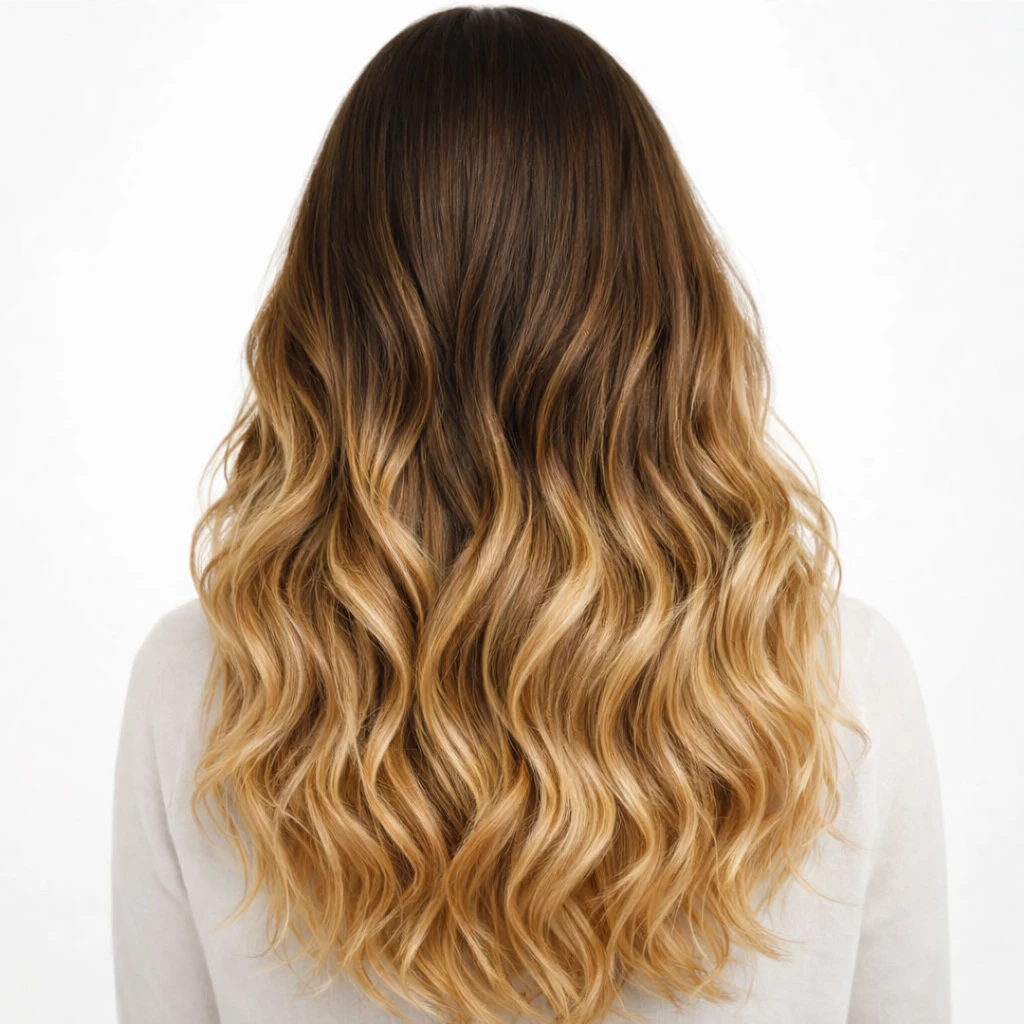
This coloring technique blends darker roots into lighter ends. The gradual transition creates a soft and natural looking effect that adds depth and movement to the hair.
Many people love this look because it feels stylish yet effortless. It can work with many hair colors, lengths, and textures.
Another reason it remains popular is that it is easier to maintain than full hair coloring. Since the roots stay darker, new hair growth blends more naturally.
In this guide, you will learn what ombre hair is, how it works, different styles you can try, and how to maintain the look while keeping your hair healthy.
What Is Ombre Hair?
Ombre hair is a coloring technique where the hair gradually transitions from darker roots to lighter ends.
The word ombre comes from a French term that means shaded or shadowed. In hair coloring, it describes the smooth blending of two or more shades.
Instead of having the same color from roots to ends, this technique creates a soft gradient.
The upper part of the hair stays close to the natural shade while the mid lengths and ends become lighter.
This creates contrast while still looking natural.
The transition can be subtle or bold depending on the color difference between the roots and the ends.
Ombre vs Balayage: What Is the Difference?
Many people confuse ombre with balayage. Although both create blended color, they are different techniques.
Balayage focuses on hand painted highlights throughout the hair. The color is placed strategically to create natural brightness.
Ombre hair creates a stronger fade from dark roots to lighter ends.
Another difference is where the lightness begins.
Balayage highlights often start closer to the roots.
Ombre typically begins around the middle of the hair length and becomes lighter toward the ends.
Both techniques can look beautiful. The best option depends on your style preference and natural hair color.
Why Ombre Hair Became So Popular
Low Maintenance Color
One of the biggest benefits of this coloring style is that it does not require constant root touch ups.
Because the roots remain darker, new hair growth blends naturally with the color.
This means fewer salon visits compared with traditional coloring.
Natural Looking Dimension
The gradual fade creates depth and visual movement.
Hair often looks fuller and more textured because of the color contrast.
Works on Many Hair Textures
Different textures can carry this style well.
If you want to understand how coloring techniques behave on different strands, learning about various hair types can help you choose the best approach.
Flexible Color Options
From soft brown tones to bright fashion shades, many color combinations are possible.
This flexibility allows people to personalize their look.
Popular Ombre Hair Styles
There are several variations of this coloring technique. Each one offers a different visual effect.
Classic Dark to Blonde Ombre
This is one of the most well known versions.
Dark brown or black roots gradually transition into blonde ends.
The result often looks sun kissed and bright.
Soft Natural Ombre
This version uses subtle shade differences between the roots and the ends.
The transition is very smooth and natural looking.
It works well for people who want a gentle change rather than a dramatic transformation.
Reverse Ombre
Reverse ombre flips the traditional style.
The roots are lighter while the ends become darker.
Although less common, it can create a striking and unique appearance.
Colorful Ombre
Some people prefer creative shades such as pink, purple, blue, or copper at the ends.
These bold versions allow more personal expression while still maintaining the gradient effect.
Who Is a Good Candidate for Ombre Hair?
Most people can try this coloring technique, but several factors influence how the final result looks.
Hair Length
Medium and long hair usually show the gradient transition more clearly.
However, experienced stylists can also create beautiful results on shorter hairstyles.
Natural Hair Color
Darker natural hair often produces a stronger contrast when the ends are lightened.
Lighter hair colors can still achieve beautiful results with softer transitions.
Hair Health
Since the ends are usually lightened, healthy hair responds better to the process.
If someone is experiencing significant hair thinning or hair loss, medical solutions like a hair transplant may be considered before focusing on cosmetic coloring techniques.
How the Ombre Coloring Process Works
Creating this style involves several professional steps.
Consultation
A stylist examines your natural color, hair texture, and the look you want to achieve.
Sectioning the Hair
The hair is divided into sections to ensure the color is applied evenly.
Lightening the Ends
Lightener is applied mainly to the mid lengths and ends of the hair.
This step creates the gradient effect.
Blending the Transition
Stylists blend the colors carefully so the shift between shades looks smooth.
Harsh lines are avoided to maintain a natural appearance.
Toning
A toner may be applied to refine the shade and remove unwanted warmth.
This helps achieve the final color result.
How to Maintain Ombre Hair
Although this coloring technique is easier to maintain than full hair coloring, proper care is still important.
Use Color Safe Shampoo
Color friendly shampoos help prevent fading and protect the brightness of the lighter ends.
Deep Condition Regularly
Lightened hair can become dry.
Deep conditioning treatments help restore moisture and softness.
Protect Hair From Heat
Frequent heat styling can weaken colored hair.
Using heat protection products helps reduce damage.
Refresh With Toner
Occasional toning treatments can maintain the desired shade and reduce brassiness.
Common Mistakes to Avoid
Although the style appears simple, certain mistakes can affect the final result.
Harsh Color Lines
If the transition between shades is too sharp, the hair can look unnatural.
Over Processing the Ends
Excessive lightening can cause dryness and breakage.
Ignoring Hair Condition
Weak or damaged hair may struggle with chemical processing.
Consulting experienced professionals helps reduce these risks.
Can Ombre Work on Curly or Wavy Hair?
Yes, textured hair can look beautiful with this coloring technique.
Curly and wavy strands often enhance the gradient effect because the light reflects differently on each curve of the hair.
However, the placement of color must be carefully planned so the blend appears natural.
How Long Does Ombre Hair Last?
One reason many people choose ombre hair is its longevity.
Because the roots remain darker, new growth blends naturally with the color.
Most people refresh the look every few months depending on hair growth and how light the ends are.
Conclusion
Ombre hair continues to be one of the most versatile and stylish coloring techniques in modern hair care.
Its gradual blend from darker roots to lighter ends adds depth, movement, and visual interest.
The style works across many hair colors, textures, and personal preferences.
With proper care and professional guidance, this technique can enhance natural beauty while remaining relatively low maintenance.
For anyone looking for a fresh and modern hair color that still feels natural, ombre hair remains an excellent choice.