









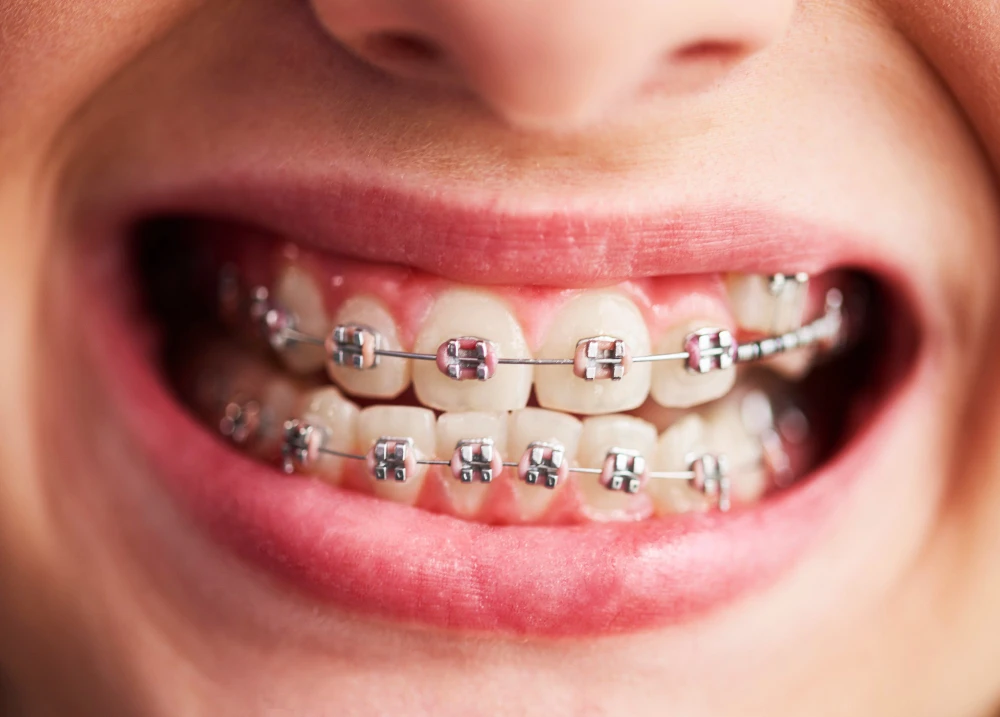
Brushing your teeth becomes more important than ever when you have braces. Brackets and wires can trap food easily, making it harder to keep your teeth and gums clean.
If plaque builds up, it can lead to cavities, gum problems, and white marks on your teeth once the braces come off.
Many people with braces worry they are not brushing correctly. This concern is completely normal.
Braces change how your toothbrush reaches your teeth, and regular brushing habits often need adjustment.
Learning how to brush your teeth with braces properly helps protect your smile throughout orthodontic treatment.
With the right tools, techniques, and routine, you can keep your mouth clean and healthy every day.
If you are undergoing orthodontic care or planning dental treatment abroad, resources like a Dentist in Turkey can also guide patients toward professional oral health support during and after braces treatment.
This detailed guide explains everything you need to know, from choosing the right toothbrush to step by step brushing techniques, common mistakes, and daily care tips.
Why Brushing With Braces Is Different
Braces create small spaces where food and plaque can easily get stuck. These areas are difficult to clean if you brush the same way you did before braces.
Plaque buildup around brackets can harden into tartar. This increases the risk of cavities and gum inflammation. Over time, it may cause permanent white spots on the teeth.
Brushing with braces requires more time and attention. You need to clean above, below, and around every bracket, as well as the gum line and chewing surfaces.
Understanding these challenges helps you adjust your brushing routine and avoid long term dental problems.
How Often Should You Brush Your Teeth With Braces
If you have braces, brushing at least twice a day is essential. However, brushing after every meal is strongly recommended.
Food particles can get trapped easily after eating. Leaving them for hours allows bacteria to grow and damage enamel.
Ideally, you should brush:
• In the morning after breakfast
• After lunch
• After dinner
• Before going to bed
If brushing after every meal is not possible, rinsing your mouth with water can help until you brush properly.
Choosing the Right Toothbrush for Braces
Using the right toothbrush makes a big difference when brushing with braces.
Manual toothbrushes with soft bristles work well if used correctly. Look for a brush with a small head so it can reach around brackets easily.
Orthodontic toothbrushes are designed with special bristle shapes. These brushes clean around wires and brackets more effectively.
Electric toothbrushes can also be helpful. Many models have pressure sensors and timers that improve brushing technique.
Whichever toothbrush you choose, make sure the bristles are soft. Hard bristles can damage gums and wear down enamel.
Best Toothpaste to Use With Braces
Fluoride toothpaste is highly recommended for people with braces. Fluoride strengthens enamel and helps prevent cavities.
Avoid toothpaste that is too abrasive. Whitening toothpaste can sometimes be harsh and may cause uneven tooth color after braces are removed.
If your dentist recommends a specific toothpaste, follow their advice based on your oral health needs.
Step by Step Guide on How to Brush Your Teeth With Braces
Brushing with braces requires a structured approach to make sure every surface is cleaned properly.
Start by rinsing your mouth with water. This helps loosen food particles stuck around brackets and wires.
Hold your toothbrush at a 45 degree angle toward the gum line. Gently brush using small circular motions.
Brush above each bracket carefully. Move the brush slowly and focus on one or two teeth at a time.
Next, angle the brush downward to clean below the brackets. This area often collects plaque and food debris.
Brush the front surfaces of all teeth, then move to the chewing surfaces. Use gentle back and forth strokes.
Do not forget the inside surfaces of your teeth. These areas are easy to miss but still important.
Brush for at least two minutes. Take your time to ensure every tooth is cleaned thoroughly.
How to Clean Around Brackets and Wires
Cleaning around brackets and wires is the most important part of brushing with braces.
Use slow and controlled movements. Rushing increases the chances of missing plaque.
Focus on each bracket individually. Clean above, below, and around the sides.
If food remains stuck, gently brush again or rinse before continuing.
Using a mirror can help you see areas that need extra attention.
Using Interdental Brushes With Braces
Interdental brushes are small brushes designed to clean between teeth and around orthodontic appliances.
They are very effective for removing food particles that a regular toothbrush cannot reach.
Gently insert the interdental brush between brackets and wires. Move it back and forth without forcing it.
Use interdental brushes at least once a day, especially before bedtime.
Should You Floss With Braces
Flossing is still important when you have braces, even though it takes more time.
Special floss threaders or orthodontic floss make it easier to floss around wires.
Carefully guide the floss under the wire and between teeth. Gently move it up and down along the sides of each tooth.
Flossing once a day helps prevent gum disease and cavities between teeth.
Using Mouthwash as Part of Your Routine
Mouthwash can support brushing and flossing, but it should not replace them.
A fluoride mouthwash helps strengthen enamel and reduce plaque buildup.
Use mouthwash after brushing and flossing for best results.
Avoid mouthwash with strong alcohol content if it causes irritation or dryness.
Common Brushing Mistakes to Avoid With Braces
Many people make small mistakes that reduce the effectiveness of brushing with braces.
Brushing too quickly is a common issue. Rushing leads to missed areas.
Using too much pressure can damage gums and loosen brackets.
Skipping flossing increases the risk of cavities between teeth.
Not replacing toothbrushes regularly can reduce cleaning efficiency. Change your toothbrush every three months or sooner if bristles wear out.
How Long Should You Brush With Braces
Brushing with braces usually takes longer than normal brushing.
Aim for at least two to three minutes each time.
Some people benefit from brushing for a little longer, especially at night.
Using a timer or electric toothbrush with a built in timer can help ensure proper brushing duration.
Signs You Are Brushing Your Teeth With Braces Correctly
Healthy gums that are pink and not swollen are a good sign.
Minimal food debris around brackets after brushing shows effective cleaning.
Fresh breath and smooth tooth surfaces also indicate good oral hygiene.
Regular dental checkups can confirm whether your brushing routine is working well.
Diet Tips That Support Better Brushing With Braces
What you eat affects how easy it is to keep braces clean.
Limit sugary snacks and drinks. Sugar feeds bacteria that cause cavities.
Avoid sticky foods that cling to brackets and wires.
Drink plenty of water to help wash away food particles.
Why Regular Dental Visits Matter During Braces
Professional cleanings help remove plaque that brushing cannot eliminate.
Dentists can spot early signs of cavities or gum problems.
They can also give personalized advice on improving brushing technique.
Patients seeking orthodontic guidance often explore care options through platforms like Dentist in Turkey to access experienced dental professionals.
Practical Daily Brushing Checklist
Brush after every meal when possible.
Use a soft bristled toothbrush and fluoride toothpaste.
Clean above, below, and around brackets.
Floss daily using proper tools.
Use mouthwash to support oral hygiene.
Conclusion
Learning how to brush your teeth with braces is one of the most important steps in protecting your smile during orthodontic treatment.
Braces require extra care, patience, and consistency. With the right tools and a proper routine, you can prevent cavities, gum problems, and permanent marks on your teeth.
Brushing thoroughly, flossing daily, and following professional advice helps ensure your teeth stay healthy throughout the braces journey.
By building good oral hygiene habits now, you set the foundation for a confident and healthy smile long after your braces are removed.