







Have you noticed more hair on your pillow or in the shower lately?
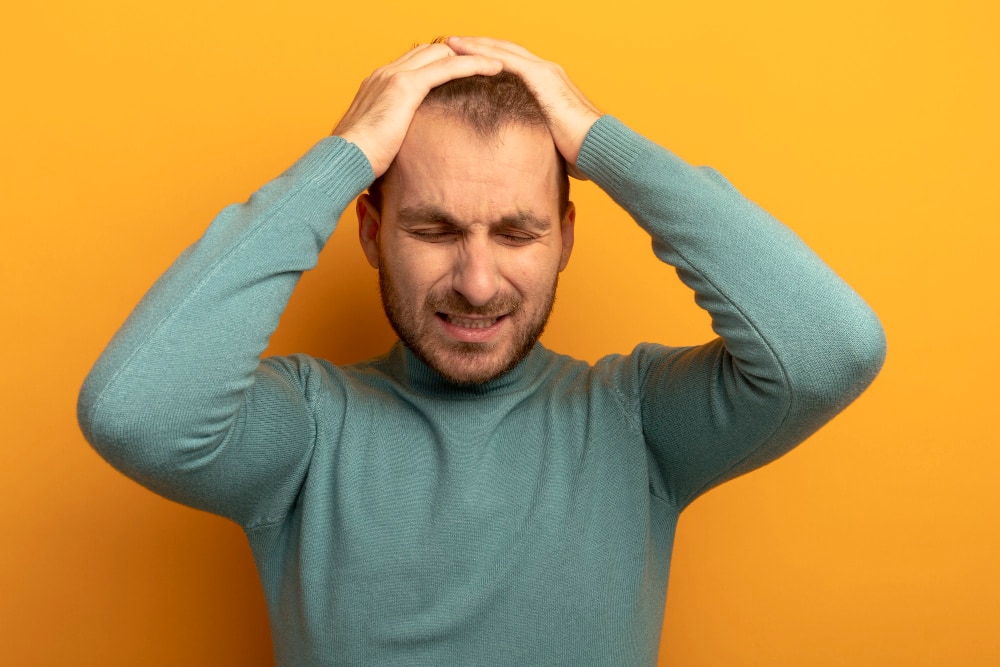
It can feel scary. Many people start to worry that something is seriously wrong. One of the most common questions people ask is, does stress cause hair loss?
The short answer is yes. Stress can affect your hair in many ways.
But the good news is that in most cases, this type of hair loss is temporary and can be managed.
In this guide, you will learn how stress affects your hair, what signs to look for, and what you can do to protect your hair’s health.
Does Stress Cause Hair Loss?
Yes, stress can lead to hair loss.
When your body goes through stress, it shifts its focus to important functions like breathing and heart rate. Hair growth becomes less important.
Because of this, your hair may stop growing or start shedding more than usual.
This condition is often not permanent. Once stress levels go down, hair growth usually returns to normal.
How Stress Affects Your Hair Growth Cycle
Your hair grows in a cycle with three main stages.
1. Growth Stage
This is when your hair is actively growing. Most of your hair stays in this stage for years.
2. Resting Stage
Hair stops growing and prepares to fall out.
3. Shedding Stage
Old hair falls out to make room for new hair.
Stress can push many hair strands into the shedding stage at the same time.
This leads to noticeable hair fall.
Types of Hair Loss Caused by Stress
Stress does not affect everyone in the same way. There are different types of hair loss linked to stress.
Telogen Effluvium
This is the most common type.
It happens when stress pushes many hairs into the resting stage. After a few months, those hairs fall out all at once.
You may notice hair falling when washing or brushing your hair.
Alopecia Areata
This is an autoimmune condition.
Stress can trigger the immune system to attack hair follicles. This causes round patches of hair loss.
Trichotillomania
This is a condition where a person pulls out their own hair.
It is often linked to emotional stress or anxiety.
Common Signs Your Hair Loss Is Stress Related
It is not always easy to know the cause of hair loss.
Here are some signs that stress may be the reason:
- Sudden increase in hair shedding
- Hair thinning across the scalp
- Hair falling out in clumps
- Hair loss after a stressful event
If you notice these signs, stress could be a key factor.
When Should You Be Concerned?
Stress-related hair loss is usually temporary.
However, you should speak to a professional if:
- Hair loss lasts more than six months
- You notice bald patches
- Your scalp feels itchy or painful
- Hair is not growing back
Early advice can help prevent further damage.
Can Hair Grow Back After Stress?
Yes, in most cases, hair grows back.
Once your stress levels improve, your hair cycle returns to normal.
New hair growth may start within a few months.
However, it can take time for your hair to fully recover.
Being patient and consistent with care is very important.
Simple Ways to Reduce Stress and Protect Your Hair
Managing stress is key to stopping hair loss.
Here are some simple steps you can follow:
Practice Relaxation Techniques
Try deep breathing, meditation, or yoga.
These can calm your mind and reduce stress levels.
Get Enough Sleep
Your body repairs itself during sleep.
Aim for 7 to 8 hours every night.
Eat a Balanced Diet
Healthy hair needs proper nutrition.
Include foods rich in protein, iron, and vitamins.
Stay Active
Exercise improves blood flow and reduces stress hormones.
Even a short walk can help.
Avoid Harsh Hair Treatments
Limit heat styling and chemical treatments.
These can weaken your hair further.
Treatment Options for Hair Loss
If hair loss continues, you may need professional help.
There are different treatment options available depending on the cause.
Some people explore advanced solutions when hair loss becomes severe.
If you are considering this step, you can learn more about the best hair transplant in Turkey.
Daily Hair Care Tips for Stronger Hair
Taking care of your hair daily can make a big difference.
- Use a mild shampoo
- Avoid tight hairstyles
- Be gentle when brushing wet hair
- Keep your scalp clean
Small habits can protect your hair over time.
Conclusion
So, does stress cause hair loss?
Yes, it can.
But in most cases, it is temporary and manageable.
Understanding the link between stress and hair loss is the first step.
With the right care, healthy habits, and patience, your hair can recover.
If your hair loss continues or worsens, do not ignore it. Seeking expert advice can help you find the right solution early.
Your hair health is closely linked to your overall well-being.
Take care of your mind, and your hair will thank you.