









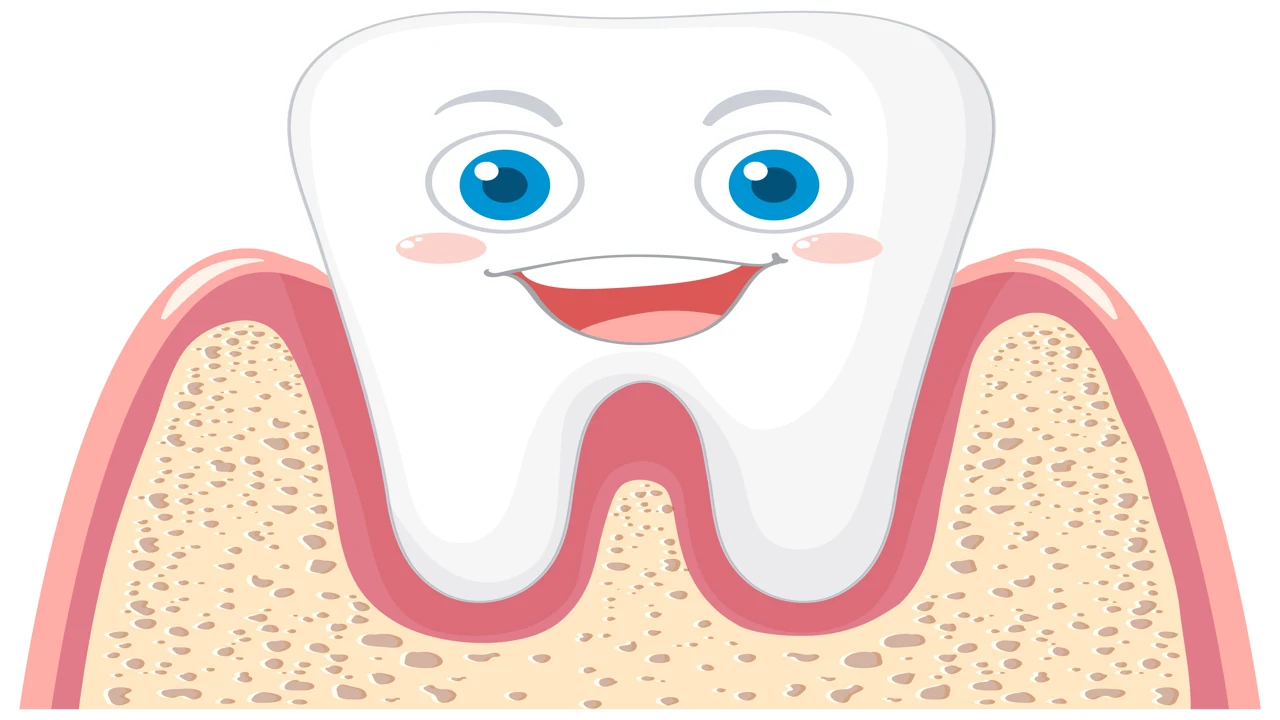
Most people call them baby teeth, but dentists know them as deciduous teeth. These early teeth may be temporary, yet their role in a child’s health is long lasting and extremely important.
They support chewing, speech development, jaw growth, and guide permanent teeth into the right position.
Many parents assume these teeth are not very important because they will fall out anyway.
That belief often leads to neglected care and preventable dental problems. Healthy deciduous teeth help build the foundation for a healthy adult smile.
If you are looking for professional dental care and guidance, you can also consult the best dentists in istanbul at for expert evaluation and preventive support.
In this complete guide, you will learn what deciduous teeth are, when they appear, when they fall out, common problems, and how to care for them properly.
What are deciduous teeth
Deciduous teeth are the first set of teeth that develop in children. They begin forming before birth and usually start appearing in the mouth around six months of age.
They are called deciduous because they eventually shed and are replaced by permanent teeth.
The word deciduous means falling off at maturity, similar to how certain trees lose their leaves seasonally.
These teeth hold space for permanent teeth and help shape the dental arch. Even though they are temporary, they should be kept healthy until they naturally fall out.
Meaning and definition of deciduous teeth
Deciduous teeth are the primary teeth that erupt during infancy and early childhood. They serve as the first functional set of teeth and remain in place for several years.
Dentists may also refer to them as primary teeth, milk teeth, or baby teeth. All these terms describe the same early dentition stage.
Their enamel is thinner and softer than permanent teeth. This makes them more vulnerable to decay if oral hygiene is not maintained.
How many deciduous teeth do children have
Children typically have 20 deciduous teeth in total. These teeth are evenly divided between the upper and lower jaws.
Each jaw usually contains:
10 teeth on the upper arch
10 teeth on the lower arch
They appear gradually rather than all at once. The eruption process follows a general pattern, although slight variations are normal.
Types of deciduous teeth in the mouth
There are three main types of deciduous teeth. Each type has a specific function.
Incisors are the front teeth used for cutting food. Children have eight incisors in total.
Canines are pointed teeth next to the incisors. They help tear food. Children have four canines.
Molars are the back teeth used for grinding food. There are eight deciduous molars. Children do not have premolars in their primary dentition.
Eruption timeline of deciduous teeth
Deciduous teeth usually begin erupting around six months of age. The full set is often present by age three.
General eruption pattern is as follows:
Lower central incisors appear around six to ten months
Upper central incisors appear around eight to twelve months
Lateral incisors appear around nine to sixteen months
First molars appear around thirteen to nineteen months
Canines appear around sixteen to twenty three months
Second molars appear around twenty three to thirty three months
This timeline can vary from child to child. A delay of a few months is usually not a cause for concern.
Order of deciduous teeth eruption
The eruption order usually starts with the lower front teeth. Front teeth tend to appear before back teeth.
Incisors erupt first. Molars and canines follow later. Second molars are often the last to appear.
Tracking eruption order helps dentists monitor proper development. Regular dental checkups make it easier to catch any unusual patterns early.
Functions of deciduous teeth in child development
Deciduous teeth play several essential roles in growth and development.
They help children chew food properly. Good chewing supports digestion and nutrition.
They support clear speech. Teeth help form certain sounds and word patterns.
They guide jaw growth and muscle development. Proper tooth presence encourages balanced facial structure.
They hold space for permanent teeth. When a baby tooth is lost too early, nearby teeth may shift and block the path of the permanent tooth.
Why deciduous teeth are important
Some people underestimate the value of deciduous teeth because they are temporary. In reality, their health directly affects permanent teeth.
Untreated decay in primary teeth can cause pain and infection. Infection can damage the developing permanent tooth underneath.
Early tooth loss can also lead to crowding and alignment issues later. That may increase the need for orthodontic treatment.
Healthy deciduous teeth make the transition to permanent teeth smoother and safer.
Difference between deciduous teeth and permanent teeth
Deciduous teeth differ from permanent teeth in several ways.
They are smaller in size. Their enamel layer is thinner, which makes cavities spread faster.
Their color is usually whiter than permanent teeth. Permanent teeth often look slightly more yellow due to thicker dentin.
Roots of deciduous teeth are shorter and more spread out. This allows space for developing permanent teeth beneath them.
They are fewer in number. There are 20 deciduous teeth compared to 32 permanent teeth.
Structure and anatomy of deciduous teeth
The basic structure is similar to permanent teeth. Each tooth has enamel, dentin, pulp, and roots.
Enamel is the outer protective layer. In deciduous teeth, it is thinner and less mineralized.
Dentin lies under enamel and forms most of the tooth body. It is softer than enamel.
The pulp contains nerves and blood vessels. Because the pulp chamber is relatively larger in baby teeth, decay can reach the nerve faster.
Dental formula of deciduous teeth
Dentists use a dental formula to describe tooth distribution.
For deciduous teeth, the formula per quadrant is two incisors, one canine, and two molars.
Across the whole mouth, that equals eight incisors, four canines, and eight molars.
There are no premolars in the deciduous dentition stage.
When deciduous teeth fall out
Deciduous teeth usually begin to fall out around age six. The shedding process continues until about age twelve.
Front teeth are usually lost first. Molars are often lost later.
The roots gradually dissolve as permanent teeth push upward. This natural process loosens the baby tooth until it falls out.
If a tooth becomes loose, avoid forcing it out. Let it fall naturally unless a dentist advises removal.
Shedding process of deciduous teeth
The shedding process is guided by the permanent tooth underneath. As it develops, it causes root resorption of the baby tooth.
Root resorption means the root slowly breaks down. Without root support, the crown becomes loose.
Mild discomfort is normal. Severe pain or swelling is not normal and should be evaluated by a dentist.
Common problems in deciduous teeth
Deciduous teeth can develop many of the same problems as permanent teeth.
Common issues include tooth decay, sensitivity, infection, and early tooth loss.
Habits like frequent sugary snacks, bottle feeding at night, and poor brushing increase risk.
Regular dental visits help detect these problems early.
Tooth decay in deciduous teeth
Tooth decay is one of the most common childhood dental diseases.
Because enamel is thinner, cavities can spread quickly. A small untreated cavity can reach the pulp faster than in permanent teeth.
Warning signs include white spots, brown areas, holes, or pain while eating.
Early treatment protects both the tooth and the developing permanent tooth below.
Early childhood cavities in baby teeth
Early childhood cavities often affect upper front teeth first. Frequent exposure to sugary liquids is a major cause.
Juices, sweetened milk, and nighttime bottle feeding increase risk.
Cleaning the teeth after feeding and avoiding sugary drinks before sleep can reduce the chance of decay.
How to care for deciduous teeth
Good care should begin as soon as the first tooth appears.
Use a soft toothbrush and a small amount of fluoride toothpaste. Brush twice daily.
Parents should supervise brushing until the child develops good control. This often happens around age seven or eight.
Clean between teeth once they touch using floss or child friendly floss tools.
Best brushing habits for deciduous teeth
Brush for two minutes each time. Use gentle circular motions.
Angle the brush toward the gumline. Clean front, back, and chewing surfaces.
Make brushing part of a daily routine. Children respond well to consistency and example.
Diet tips for healthy deciduous teeth
Limit sugary snacks and drinks. Offer water between meals.
Choose tooth friendly snacks like cheese, yogurt, nuts, and crunchy vegetables.
Avoid sticky sweets that cling to teeth for long periods.
Balanced nutrition supports both teeth and gum health.
Dental visits for children with deciduous teeth
The first dental visit is recommended by the first birthday or within six months of the first tooth.
Early visits help children feel comfortable in the dental setting. They also allow early detection of problems.
Routine checkups and cleanings support long term oral health.
Treatment options for damaged deciduous teeth
Dentists can treat baby teeth in several ways depending on severity.
Small cavities may be treated with fillings. Larger damage may require crowns.
If the pulp is involved, pulp therapy may be recommended to maintain the tooth until natural shedding.
Extraction is considered when a tooth cannot be saved.
What happens if deciduous teeth are lost early
Early loss can cause nearby teeth to drift into the empty space.
This may block permanent teeth from erupting correctly. It can lead to crowding or bite problems.
Dentists sometimes use space maintainers to preserve proper spacing until the permanent tooth appears.
Practical takeaways for parents and patients
Start oral care early even before all teeth erupt.
Brush twice daily with fluoride toothpaste.
Schedule regular dental visits.
Limit sugar frequency rather than only sugar amount.
Never ignore pain or visible decay in baby teeth.
Healthy deciduous teeth support a healthy adult smile.
Conclusion
Deciduous teeth are more than just temporary placeholders. They are essential tools for eating, speaking, and guiding proper dental development.
Caring for them properly reduces pain, prevents infection, and protects future permanent teeth. Simple daily habits and regular dental visits make a major difference.
With the right knowledge and preventive care, children can move from deciduous teeth to permanent teeth with strong oral health and confident smiles.