









A confident smile often starts with well aligned teeth, but for many people, protruding front teeth can affect both appearance and oral health.
This condition, commonly known as buck teeth, is more common than many realize and can affect children, teenagers, and adults alike.
This condition is not just a cosmetic concern. In many cases, it influences how a person speaks, chews, and even breathes.
It can also increase the risk of dental injuries and long term oral health problems if left untreated.
The good news is that modern dentistry offers effective solutions for buck teeth at almost any age. With the right guidance and timely care, patients can achieve both functional improvement and a more confident smile.
For patients seeking trusted care from experienced professionals, choosing the best dentist in turkey can play an important role in achieving successful and long lasting results.
What Are Buck Teeth
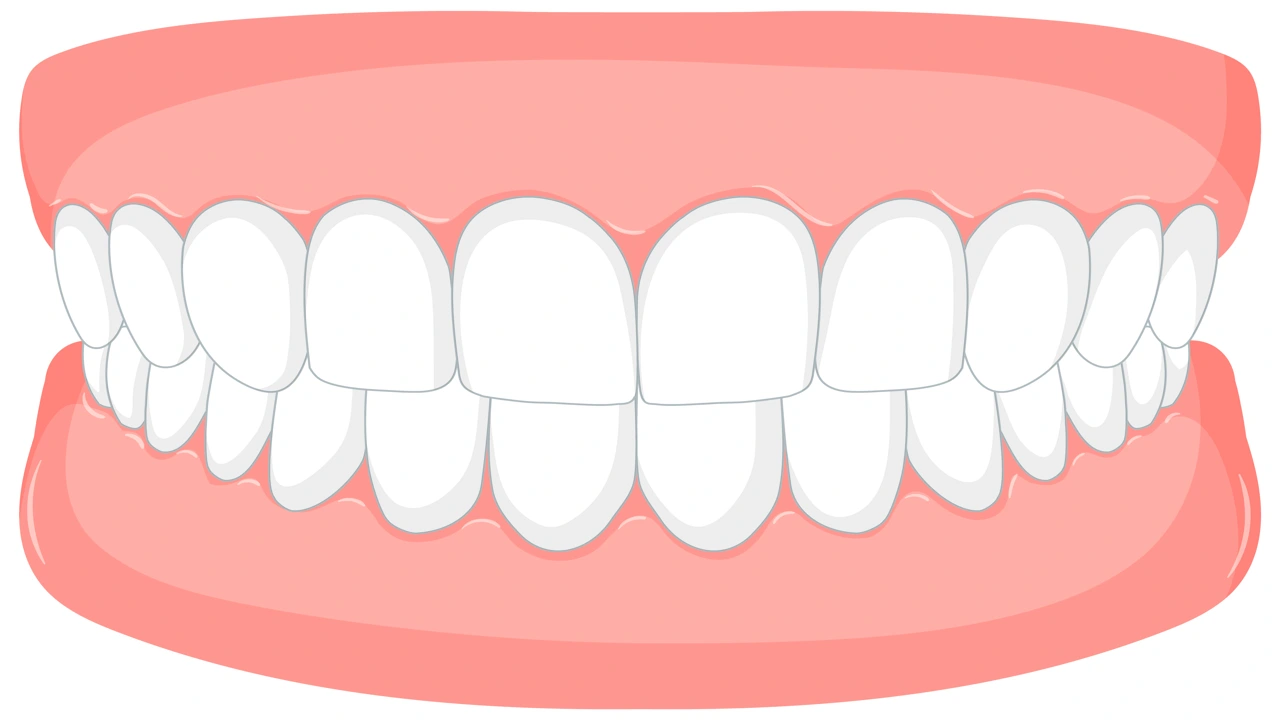
It is a non technical term used to describe a dental condition where the upper front teeth protrude significantly forward beyond the lower front teeth. In dentistry, this condition is often referred to as increased overjet.
This protrusion can range from mild to severe. In mild cases, the teeth may slightly extend forward without causing functional issues.
In more pronounced cases, this condition can interfere with normal biting, speech, and lip closure.
It can occur alone or alongside other alignment issues such as crowding, spacing, or jaw misalignment. Because each mouth is unique, the appearance and impact of this condition can vary widely from person to person.
How Buck Teeth Differ From Other Alignment Issues
It is important to distinguish this condition from other common dental alignment problems.
Buck teeth primarily involve forward protrusion of the upper front teeth. This is different from overbite, where the upper teeth excessively overlap the lower teeth vertically.
They also differ from underbite, where the lower teeth extend beyond the upper teeth, and from general crowding or crookedness, where teeth overlap or rotate within the dental arch.
What Causes Buck Teeth
This condition rarely develops due to a single factor. In most cases, it results from a combination of genetic influences, childhood habits, and jaw development patterns.
Genetic Factors
Genetics play a significant role in dental alignment. If one or both parents have buck teeth or jaw alignment issues, their children may be more likely to develop similar conditions.
Inherited traits such as jaw size, tooth size, and facial structure can influence how teeth erupt and align. When the upper jaw is larger or positioned more forward than the lower jaw, the condition may become more noticeable.
Childhood Oral Habits
Certain habits during early childhood can increase the risk of developing this dental issue.
Thumb sucking, prolonged pacifier use, and extended bottle feeding can apply continuous pressure to the upper front teeth. Over time, this pressure may push the teeth forward and affect jaw development.
The risk increases when these habits continue beyond the age when permanent teeth begin to emerge.
Tongue Thrusting
Tongue thrusting occurs when the tongue presses against the front teeth during swallowing or speaking. This repetitive pressure can gradually move the upper teeth forward.
Tongue thrusting is often associated with speech patterns and may require both dental and speech therapy intervention.
Jaw Development Issues
In some cases, buck teeth are related to uneven growth between the upper and lower jaws. When the upper jaw grows more prominently or the lower jaw develops more slowly, the upper front teeth may appear protruded.
Jaw development issues can become more noticeable during adolescence when growth spurts occur.
Are Buck Teeth Only a Cosmetic Concern
While this condition is often associated with appearance, its impact goes beyond aesthetics.
Effects on Oral Health
Protruding front teeth are more exposed and therefore more vulnerable to damage. Accidental falls or sports related injuries are more likely to result in chipped or fractured teeth when this condition is present.
It can also make proper oral hygiene more challenging. When teeth are misaligned, plaque can accumulate in hard to reach areas, increasing the risk of cavities and gum disease.
Impact on Speech and Chewing
In some individuals, this condition can interfere with clear speech. Sounds that require precise tongue and lip placement may be affected.
Chewing efficiency may also be reduced if the upper and lower teeth do not meet properly. This can place extra strain on the jaw muscles and joints.
Emotional and Social Effects
For many people, this dental issue can affect self confidence. Children and teenagers may feel self conscious about their smile, while adults may avoid smiling in social or professional settings.
Improving dental alignment can often have a positive impact on overall self esteem and quality of life.
Can Buck Teeth Correct Themselves
In very young children, mild protrusion of the front teeth may improve naturally as the jaw grows and baby teeth are replaced by permanent teeth.
However, in most cases, buck teeth do not correct themselves without intervention. Once permanent teeth have erupted, professional dental treatment is usually required to achieve meaningful improvement.
Early assessment by a dental professional can help determine whether monitoring or active treatment is the best approach.
When Should Buck Teeth Be Treated
The timing of treatment depends on several factors, including age, severity, and overall oral health.
Treatment in Children
Early evaluation during childhood allows dentists to guide jaw growth and tooth eruption. Interceptive orthodontic treatment may reduce the severity of this condition later on.
Treatment in Teenagers
Adolescence is often an ideal time for orthodontic treatment because the jaw is still developing. Treatment during this stage can be highly effective and efficient.
Treatment in Adults
Adults can successfully treat buck teeth as well. While jaw growth is complete, modern orthodontic and cosmetic solutions offer excellent results at any age.
Treatment Options for Buck Teeth
The appropriate treatment for buck teeth depends on the underlying cause and severity of the condition.
Orthodontic Braces
Traditional braces remain one of the most effective treatments for this condition. They gradually move the teeth into proper alignment over time.
Braces can correct protrusion, spacing, and bite issues simultaneously. Treatment duration varies depending on complexity.
Clear Aligners
Clear aligner systems offer a discreet alternative to braces. They are removable and often preferred by adults and older teenagers.
Aligners can effectively treat mild to moderate cases when used consistently as prescribed.
Dental Veneers
For mild cases where alignment issues are primarily cosmetic, veneers may be an option. Veneers are thin shells placed on the front of the teeth to improve appearance.
It is important to note that veneers do not correct bite issues and are best suited for select cases.
Functional Appliances
In growing children, functional appliances may be used to guide jaw development and reduce protrusion. These appliances work by influencing how the jaws grow in relation to each other.
Combined Treatment Approaches
Some patients may benefit from a combination of orthodontic and restorative treatments. A personalized treatment plan ensures both function and aesthetics are addressed.
How Long Does Buck Teeth Treatment Take
Treatment duration varies based on the method used and the severity of the condition.
Mild cases may take several months, while more complex cases can require one to two years or longer. Consistent follow up and adherence to dental instructions play a key role in achieving timely results.
Life After Buck Teeth Treatment
After treatment, maintaining results is essential.
Retainers are often recommended to keep teeth in their new position. Good oral hygiene practices and regular dental checkups help preserve both alignment and overall oral health.
Patients often report improved confidence, easier oral care routines, and better bite function following treatment.
Practical Tips for Managing Buck Teeth
Seek early evaluation if protrusion is noticeable in children.
Encourage healthy oral habits and discourage prolonged thumb sucking or pacifier use.
Wear protective mouthguards during sports activities.
Consult an experienced dental professional to explore personalized treatment options.
Choosing care from the best dentist in turkey can ensure access to advanced techniques and patient centered treatment planning.
Frequently Asked Questions About Buck Teeth
Are buck teeth genetic
Genetics play a major role, but habits and jaw development also contribute.
Can adults fix buck teeth
Yes, adults can successfully treat this condition with modern dental solutions.
Is treatment painful
Most patients experience mild discomfort during adjustment periods, which typically subsides quickly.
Do buck teeth always require treatment
Not always. Mild cases may not require intervention unless functional or emotional concerns are present.
Conclusion
Buck teeth are a common dental condition that can affect appearance, oral health, and overall well being. Understanding their causes and potential effects empowers patients to make informed decisions about their dental care.
With early evaluation, personalized treatment planning, and modern dental solutions, this condition can be effectively managed at any age.
Whether the goal is improved function, enhanced aesthetics, or increased confidence, professional guidance plays a vital role in achieving a healthier and more confident smile.