







Balayage hair has become one of the most requested hair coloring techniques in salons around the world. It is loved for its soft, natural finish and low-maintenance appeal.
If you have ever admired hair that looks sun-kissed, blended, and effortlessly bright, chances are you were looking at balayage hair.
But what exactly is this hair? How is it different from traditional highlights? And most importantly, how can you keep your hair and scalp healthy after the process?
At Ideal of Med, we focus on complete hair health. While coloring techniques like balayage can enhance appearance, strong hair always begins with a healthy scalp and proper care routine.
For readers experiencing thinning or significant hair loss, it is also important to explore advanced hair transplant solutions in Turkey, especially when cosmetic styling alone cannot address underlying concerns.
In this guide, we will explore everything you need to know about balayage. From the technique itself to aftercare, scalp protection, and long-term hair health, this article will help you make informed decisions.
What Is Balayage Hair?
This hair is a freehand hair coloring technique where lightener or color is painted directly onto the hair surface.
The word “balayage” comes from a French term that means “to sweep.” This describes the sweeping motion stylists use to apply the color.
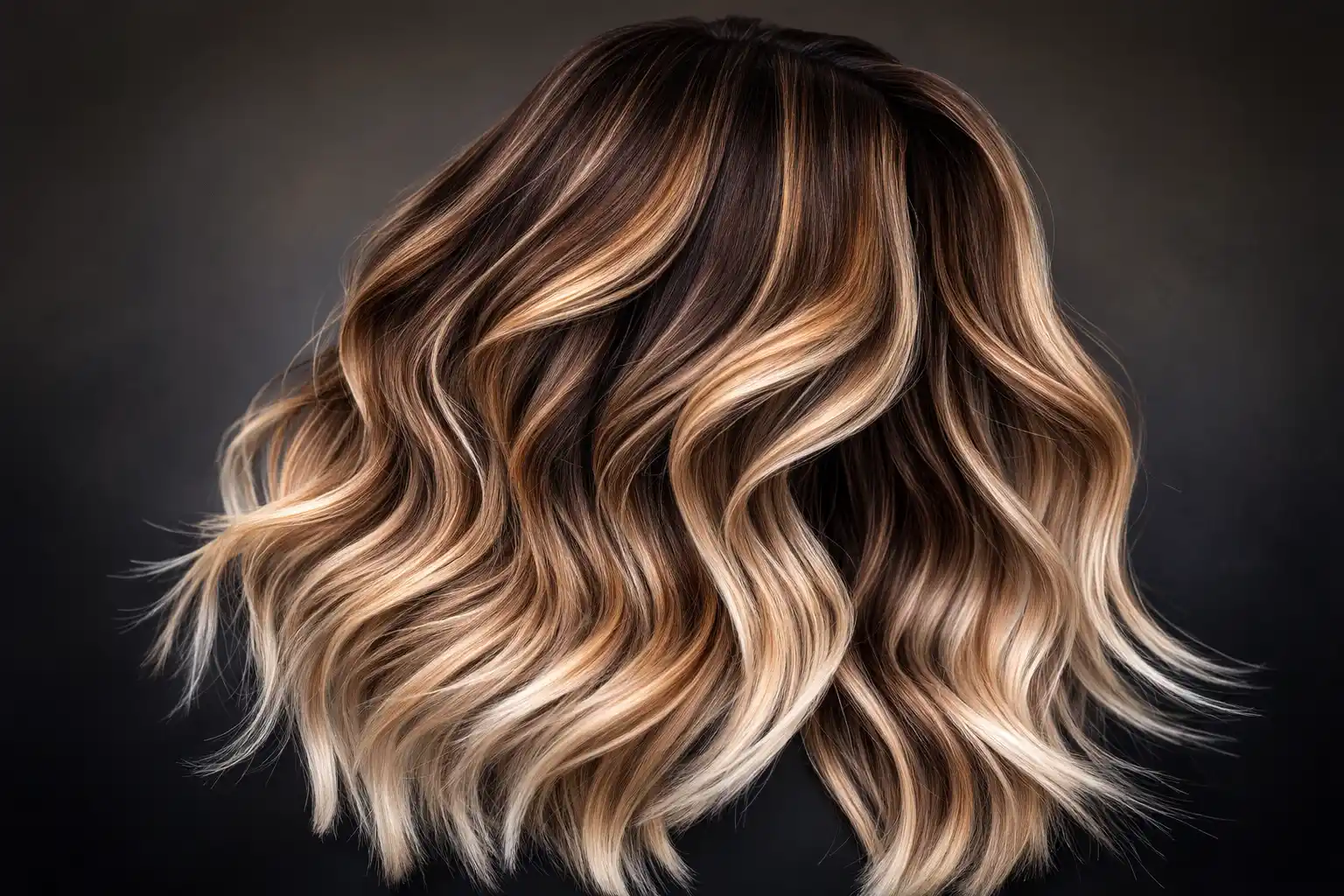
Unlike traditional foil highlights, balayage does not require sectioning every strand in foils. Instead, the stylist paints color in a way that creates a gradual transition from darker roots to lighter ends.
The result is a soft, blended look with natural dimension.
How Balayage Hair Is Different From Traditional Highlights
Traditional highlights use foils to create uniform lightened strands from root to tip.
Balayage focuses on creating a lived-in, more natural effect. The color usually starts slightly below the root, which means there is no harsh line of regrowth.
This makes hair lower maintenance compared to classic highlights.
It also allows for more customization. Stylists can adjust placement to flatter your face shape, haircut, and natural base color.
Why Balayage Hair Is So Popular
This hair is popular because it offers beauty with flexibility.
It suits almost every hair type, from straight to curly, and works well on both short and long styles.
Natural Looking Results
One of the biggest advantages of balayage is its natural appearance. Because the color is hand painted, it blends smoothly into the base shade.
This soft transition mimics how hair lightens naturally in the sun.
Lower Maintenance Routine
Since this hair does not start directly at the roots, regrowth is less noticeable. This means fewer salon visits compared to other coloring methods.
For busy individuals who want dimension without constant upkeep, balayage is a practical option.
Customizable for Every Hair Goal
Balayage hair can be subtle or bold.
You can choose warm honey tones, cool ash shades, caramel blends, or bright blonde pieces. The technique adapts to your personal style and hair goals.
Types of Balayage Hair
Balayage hair is not a one-size-fits-all technique.
Different shades and placements create completely different results.
Blonde Balayage
Blonde balayage is one of the most requested styles. It brightens the overall look while keeping roots natural.
This works especially well for people with light brown or dark blonde base colors.
Caramel Balayage
Caramel balayage adds warmth and depth. It is ideal for brunettes who want dimension without going too light.
The warm tones enhance shine and create a healthy glow.
Ash Balayage
Ash balayage offers a cooler finish. It helps neutralize brassy tones and gives a modern, muted effect.
Purple or blue toning shampoos are often used to maintain this shade.
Face Framing Balayage
Face-framing balayage focuses lighter pieces around the front sections of the hair.
This technique highlights facial features and adds brightness without changing the full head.
It is a great starting point for those new to balayage hair.
Is Balayage Damaging your Hair
Any chemical process can affect the hair structure. Balayage usually involves lightening, which opens the hair cuticle to remove pigment. If not done properly or if aftercare is ignored, this can lead to dryness or breakage.
However, when performed by an experienced professional and combined with proper maintenance, balayage hair can remain healthy and strong.
How Lightening Affects Hair Structure
Hair is made of protein fibers called keratin. When bleach is applied, it penetrates the outer layer to lighten natural pigment. This process can reduce moisture levels.
That is why hydration and protein balance are essential after hair treatments.
How to Prepare Your Hair Before Balayage
Healthy hair responds better to color. Before booking a balayage hair appointment, focus on strengthening your strands.
Improve Scalp Health
A healthy scalp supports strong hair growth. Use gentle cleansers that remove buildup without stripping natural oils.
Regular scalp massage can improve circulation and support nutrient delivery to hair follicles.
Deep Conditioning Treatments
In the weeks leading up to your appointment, apply nourishing hair masks once or twice weekly.
Look for ingredients such as argan oil, shea butter, and hydrolyzed proteins.
These help prepare hair for the lightening process.
Hair Care Routine (Protecting Your Color and Scalp)
Aftercare is where many people make mistakes.
Balayage hair needs consistent hydration and gentle handling.
Use sulfate-free shampoo.
Harsh cleansers can strip color and moisture.
Choose a mild, sulfate-free shampoo to maintain vibrancy.
Wash your hair two to three times per week rather than daily.
Add a Weekly Repair Mask
A deep repair mask restores moisture and strengthens weakened strands.
Focus on mid-lengths and ends, where the hair is usually lightest.
Limit Heat Styling
Heat tools can worsen dryness.
If you use blow dryers or straighteners, apply a heat protectant product first.
Lower temperature settings help reduce damage.
Protect Hair From Sun Exposure
Just like skin, hair can be affected by sun exposure.
Wear a hat during long periods in direct sunlight.
UV protection sprays can also help maintain your hair color.
Balayage and Hair Loss Concerns
Balayage hair is a surface coloring technique and does not directly cause hair loss when done correctly.
However, excessive bleaching, poor aftercare, or repeated chemical treatments may weaken strands.
If you notice increased shedding or thinning, it is important to consult a medical professional.
Hair loss can be linked to genetics, hormonal changes, nutritional deficiencies, or stress.
In advanced cases where hair density is significantly reduced, medical procedures may be considered.
Understanding the root cause is essential before choosing any treatment path.
Who Is a Good Candidate for Balayage Color
This hair works well for many people, but some factors should be considered.
If your hair is extremely fragile or heavily processed, your stylist may recommend strengthening treatments before lightening.
Curly, wavy, and straight textures can all benefit from balayage hair.
The key is personalized placement that enhances natural movement.
A professional consultation ensures realistic expectations and protects hair health.
Common Mistakes to Avoid
Choosing an Inexperienced Stylist
Balayage hair requires skill and artistic vision.
Uneven blending can result in patchy color.
Always review a stylist’s portfolio before booking.
Ignoring Aftercare Instructions
Skipping conditioning treatments or using harsh products can fade color quickly.
Consistent care keeps balayage vibrant and smooth.
Overprocessing Hair
Repeated lightening sessions in short intervals can weaken strands.
Allow enough time between treatments for recovery.
How Long Does Balayage Hair Last
Balayage hair can last several months depending on maintenance.
Because the roots remain natural, the grow-out phase is softer.
Toners may need refreshing every few months to maintain the desired shade.
Proper home care significantly extends results.
Practical Takeaways for Healthy Hair
Keep these key points in mind:
- Prioritize scalp health before and after coloring.
- Hydrate regularly with deep conditioning treatments.
- Avoid excessive heat styling.
- Use gentle, color-safe shampoos.
- Schedule professional consultations for any major changes.
Strong hair always starts with informed decisions.
Conclusion
Balayage remains one of the most versatile and natural-looking coloring techniques available today.
Its soft blend, lower maintenance routine, and customizable finish make it a favorite choice for many.
However, beautiful color should never come at the expense of hair health.
Understanding how balayage hair works, preparing your strands properly, and committing to consistent aftercare are essential steps.
At Ideal of Med, we believe confidence comes from both appearance and well-being.
Whether you are enhancing your style with balayage hair or exploring advanced solutions for thinning concerns, informed care is the foundation of long-term results.
Healthy hair is not just about color.
It is about strength, balance, and a scalp that supports lasting growth.