








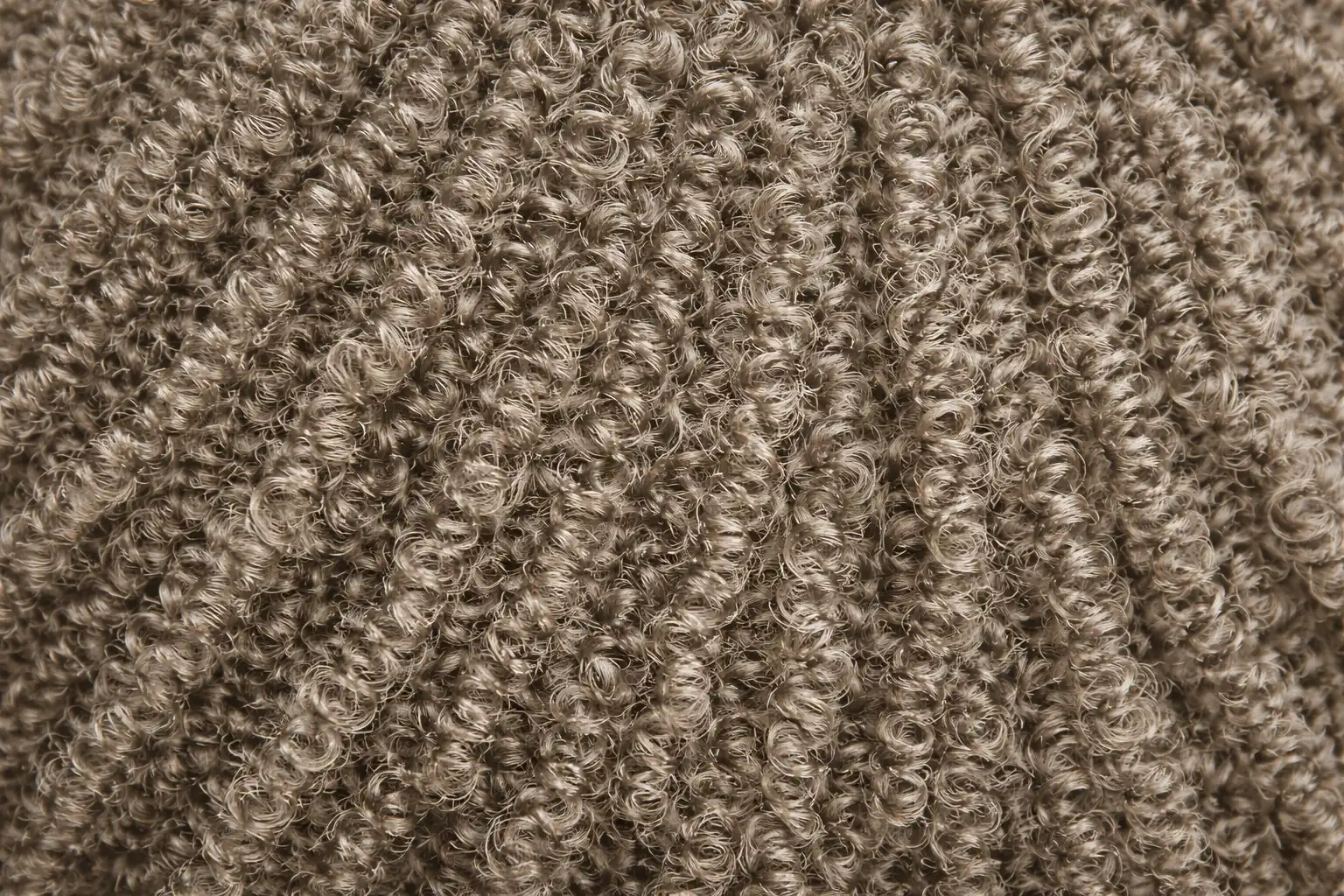
4c hair is one of the most unique and delicate hair textures. It is known for its tight coils, impressive volume, and dramatic shrinkage. At the same time, it is often misunderstood.
Many people believe this type of hair does not grow or is naturally weak. In reality, it grows at a similar rate to other hair types. The challenge is usually length retention, not growth itself.
Because of its structure, it requires a specialized care routine focused on moisture balance, gentle handling, and consistent scalp support.
If you are still identifying your texture, you can explore different hair types to better understand how 4c compares within the broader curl pattern system.
This guide explains how to properly care for 4c hair, prevent breakage, recognize early signs of hair loss, and understand when professional support may be beneficial.
What Is 4C Hair?
4c hair is part of the type 4 hair category, which includes tightly coiled and highly textured strands. Unlike 4a hair or 4b hair patterns, this hair typically has very tight coils with less visible curl definition.
The strands of 4a often form a zigzag pattern and can shrink up to 70 percent or more of their actual length. It is characterized by tightly coiled strands, significant shrinkage, high density, and a tendency toward dryness due to difficulty distributing natural scalp oils along the hair shaft.
Core Characteristics of 4c Hair
- Very tight coil or zigzag pattern
- High shrinkage
- Naturally dry texture
- Fragile strands prone to breakage
- Dense appearance with variable strand thickness
Understanding these features helps explain why traditional hair routines may not work effectively for this texture.
Why 4C Is More Prone to Dryness
The tight curl pattern of 4c prevents sebum, the scalp’s natural oil, from traveling easily down the strand. As a result, the hair shaft does not receive consistent lubrication. This leads to dryness and increased friction between strands.
Dry strands are more vulnerable to split ends and breakage. Over time, repeated breakage can create the illusion that hair is not growing. Moisture retention is therefore the foundation of healthy 4c hair care.
How Fast Does 4C Hair Grow
On average, human hair grows about half an inch per month.
4c hair follows the same biological growth cycle as other hair types. The difference lies in shrinkage and breakage.
Because coils contract tightly, length may not be visible. If strands frequently break before retaining that growth, progress can feel slow.
Focusing on scalp health and minimizing mechanical stress significantly improves length retention over time.
Building an Effective Hair Care Routine
A strong routine combines cleansing, conditioning, sealing, and protective styling. Consistency is more important than complexity.
Cleansing for Scalp Health
A healthy scalp supports optimal follicle function.
Use a gentle sulfate-free cleanser to remove buildup without stripping essential moisture. Depending on lifestyle and product use, washing every 7 days works well for many individuals.
If you exercise frequently or use heavy styling products, you may need more frequent cleansing.
Deep Conditioning for Elasticity
Deep conditioning restores moisture and improves elasticity.
Look for ingredients such as aloe vera, panthenol, and hydrolyzed proteins. These help strengthen the strand and reduce breakage.
Applying mild heat during deep conditioning can enhance product absorption.
Moisturizing and Sealing
Water-based conditioners provide hydration.
Oils and creams help seal that moisture inside the strand.
Many individuals follow the LOC method, liquid, oil, and cream. Others prefer LCO. The best method depends on how your hair responds.
Low Manipulation Styling
Frequent detangling and tight styling increase breakage risk.
Choose styles that minimize daily handling, such as twists, loose braids, or buns with minimal tension.
Always detangle gently when hair is damp and conditioned.
Common 4C Hair Problems
Understanding common concerns helps you intervene early.
Breakage Versus Hair Loss
Breakage occurs along the hair shaft. Hair loss involves the follicle itself.
If you notice short, broken pieces throughout your hair, the issue is likely dryness or mechanical stress.
If you see thinning at the scalp or widening parts, a medical evaluation may be appropriate.
Traction Alopecia
Traction alopecia results from repeated tension on the hairline.
Tight braids, weaves, and slick styles are common triggers. Early signs include tenderness and thinning edges.
Reducing tension early can prevent permanent follicle damage.
Central Centrifugal Cicatricial Alopecia
This inflammatory condition often begins at the crown and gradually spreads outward.
It is more frequently diagnosed in individuals with tightly coiled hair.
Early diagnosis improves management outcomes, so persistent crown thinning should not be ignored.
Androgenetic Alopecia
Genetic pattern hair loss can also affect people with 4c hair.
Thinning may appear along the central part line or crown.
Early intervention increases available treatment options.
Scalp Care Strategies
Healthy follicles require a balanced scalp environment.
Regular cleansing, occasional gentle exfoliation, and light scalp massage may support circulation. Avoid heavy buildup from thick oils and butters that are not thoroughly washed out.
If you experience persistent itching, flaking, or inflammation, consult a qualified medical professional.
Professional Hair Restoration
When hair thinning progresses beyond routine management, professional evaluation becomes important.
Modern hair restoration techniques can be adapted for tightly coiled hair types.
If you are exploring advanced options, consulting a specialized hair transplant clinic in Turkey can provide detailed scalp analysis and individualized treatment planning.
Ideal of Med offers medical consultations and comprehensive hair restoration procedures tailored to different hair textures and hair loss patterns.
Special Considerations for Hair Transplant
Transplanting tightly coiled hair requires technical precision.
Under the scalp, 4c follicles are curved rather than straight. Surgeons must account for this curvature during extraction to avoid damaging grafts.
Visual Density Advantage
One benefit of 4c transplantation is visual density.
Because curly strands occupy more space, fewer grafts may create fuller coverage compared to straight hair.
Candidate Evaluation Factors
- Stable donor area density
- Healthy scalp condition
- Identified cause of hair loss
- Realistic expectations
A personalized consultation ensures appropriate treatment selection.
Comparing Natural 4C Hair and Chemically Relaxed Hair
Chemical relaxers alter the structure of the hair strand to reduce curl.
While this may simplify detangling, repeated chemical processing can weaken strands and irritate the scalp.
Natural 4c hair, when properly moisturized and protected, often maintains better long-term structural integrity.
Individuals who choose chemical treatments should prioritize scalp health and avoid overlapping applications.
Climate and Environmental Effects
Environmental conditions influence moisture balance.
Humid Conditions
Humidity can cause shrinkage and frizz.
Defined twist-outs or braid sets may help manage expansion in high-moisture environments.
Dry or Cold Climates
Low humidity increases moisture loss.
Heavier creams and protective styling can help preserve hydration during colder seasons.
Frequently Asked Questions
How Often Should 4C Hair Be Washed?
Most individuals benefit from cleansing every one to two weeks. Adjust frequency based on scalp condition and lifestyle.
Can 4C Hair Become Thicker?
Hair strand thickness is largely genetic. However, improving scalp health and reducing breakage can create the appearance of fuller hair.
Is Hair Transplant Suitable for 4C Hair?
Yes, when performed by experienced specialists familiar with curved follicles and textured hair patterns.
Practical Takeaways for Healthier Hair
- Prioritize moisture and gentle handling
- Reduce tension at the hairline
- Deep condition consistently
- Monitor the scalp for early signs of thinning
- Seek medical evaluation if shedding increases significantly
Small consistent improvements produce long-term results.
Conclusion
4c hair is resilient, versatile, and capable of significant growth when supported properly. Its tight coil pattern requires a thoughtful approach focused on hydration, protection, and scalp care.
Understanding the difference between breakage and true hair loss empowers you to make informed decisions.
For individuals experiencing progressive thinning, early professional guidance expands available treatment options.
With evidence-based care, realistic expectations, and expert support when needed, 4c can remain strong, healthy, and full of natural volume.