









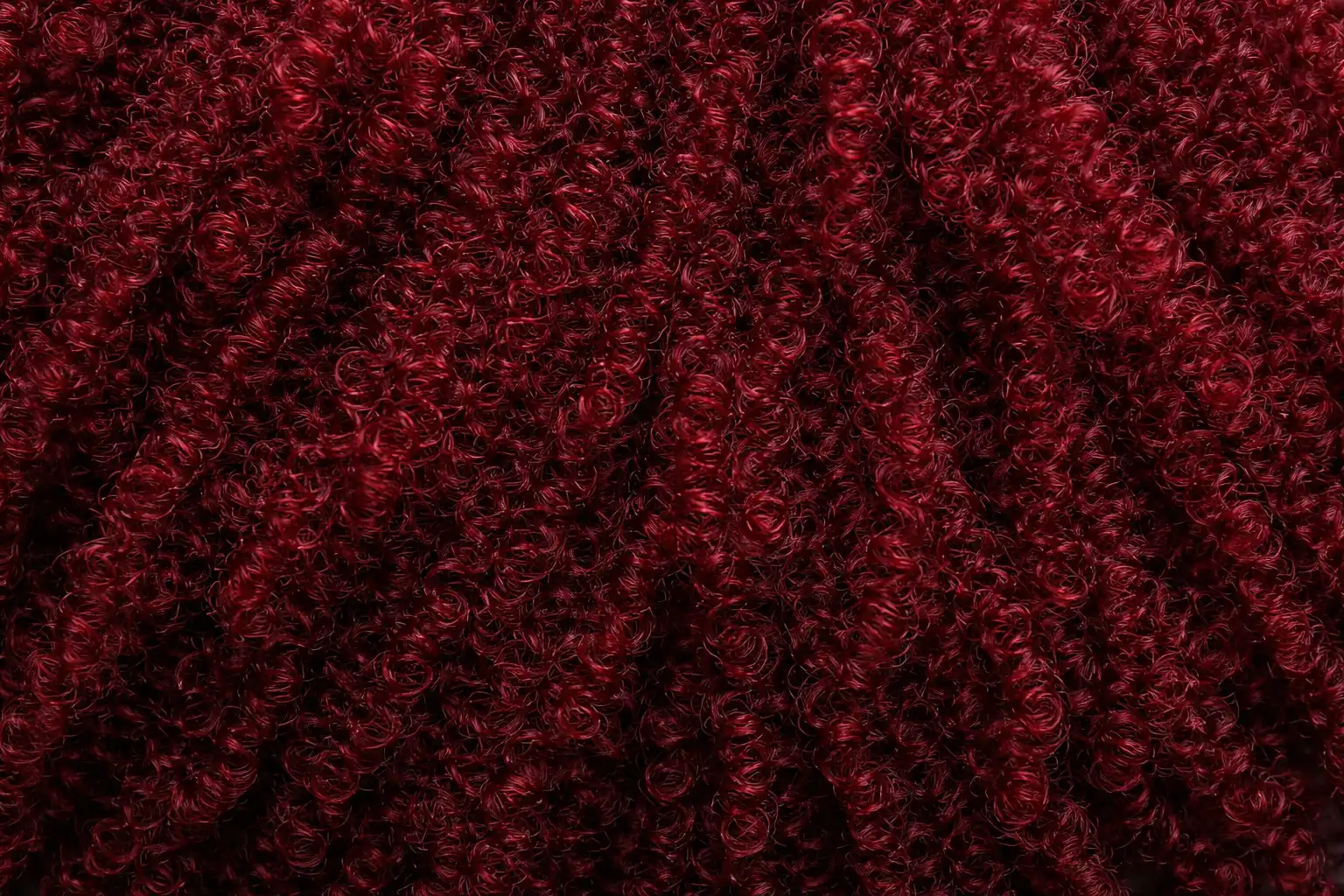
4b hair is one of the most beautiful and versatile hair textures, yet it is also one of the most misunderstood.
Known for its tight coils and impressive volume, this hair has a unique zigzag pattern that does not form clearly defined curls. This structure gives it incredible character, but it also makes it more vulnerable to dryness, shrinkage, and breakage.
If you have ever struggled to retain length, maintain moisture, or manage tangling, you are not alone. Understanding the structure and needs of 4b is the first step toward healthier growth and stronger strands.
If you are still identifying your texture, you may find our guide on curly hair types helpful before diving deeper.
This comprehensive guide will walk you through everything you need to know about caring for 4b hair, protecting your scalp, and knowing when professional support may be beneficial.
What Is 4B Hair?
4b hair falls within the Type 4 category of the hair typing system, which includes tightly coiled textures.
Unlike 4a hair, which forms visible S-shaped coils, 4b typically has a sharp Z-shaped pattern. The strands bend at acute angles, creating volume and density rather than defined curls.
This structure impacts how moisture travels down the hair shaft.
Because natural scalp oils struggle to move along the tight bends, this type of hair is naturally prone to dryness. That dryness can increase the risk of breakage if not properly managed.
4B vs 4A and 4C Hair
Understanding the difference between 4b and neighboring textures helps clarify care needs.
4a hair has a more defined curl pattern and often retains moisture slightly better.
4c hair has even tighter coils with minimal visible definition and may experience more shrinkage.
4b sits between the two, combining dense volume with significant shrinkage and fragility.
Each texture benefits from tailored routines, but moisture retention and gentle handling are especially critical for 4b hair.
Common Challenges
4b hair thrives with the right care, but several common concerns often arise.
1. Dryness
Due to its tight structure, 4b does not easily receive natural oils from the scalp. Without consistent hydration, strands may feel rough or brittle.
2. Shrinkage
This hair can shrink up to 50 to 75 percent of its actual length.
Shrinkage is a sign of healthy elasticity, but it can make length retention difficult to track.
3. Breakage
The sharp bends in the hair shaft create weak points.
Excessive manipulation, harsh detangling, or lack of moisture can lead to breakage over time.
4. Scalp Sensitivity
Product buildup and improper cleansing can affect scalp balance, leading to itching or flaking.
Healthy growth begins with a healthy scalp, making proper cleansing essential.
The Ideal Hair Care Routine
Consistency matters more than complexity when caring for hair. A simple, structured routine can significantly improve strength and manageability.
Gentle Cleansing
- Use a sulfate-free shampoo to remove buildup without stripping natural oils.
- Focus on massaging the scalp rather than roughing up the hair strands.
- Washing every 7 to 14 days works well for many individuals, though this can vary based on lifestyle and product use.
Deep Conditioning
- Deep conditioning restores moisture and improves elasticity.
- Look for ingredients such as shea butter, aloe vera, and glycerin.
- Apply heat using a warm towel or steamer to enhance absorption.
Moisturizing and Sealing
The LOC method, which stands for liquid, oil, and cream, is popular among individuals with 4b.
- Start with water or a water-based conditioner.
- Follow with a lightweight oil to seal in hydration.
- Finish with a cream to lock everything in place.
Step 4: Protective Styling
- Low manipulation styles such as twists, braids, or buns reduce breakage.
- Ensure styles are not too tight, as tension can lead to traction-related thinning.
How to Promote Healthy Growth
Hair growth starts beneath the surface at the follicle level. While texture does not determine growth speed, breakage can make it seem as though 4b grows slowly.
Here are practical strategies to support retention.
Prioritize Scalp Health
A clean, balanced scalp encourages optimal follicle function.
Incorporate occasional clarifying treatments to remove buildup.
Scalp massages can improve circulation and support nutrient delivery.
Minimize Heat and Chemical Damage
Frequent heat styling can weaken already delicate strands.
If case you choose to straighten your hair occasionally, always use a heat protectant and avoid high temperatures.
Trim Strategically
Regular trims remove split ends before they travel upward. This preserves length over time.
When to Seek Professional Hair Support
Sometimes hair concerns go beyond routine care. When you notice excessive shedding, visible thinning, or patchy hair loss, it may be time to seek professional evaluation.
Conditions such as traction alopecia or hormonal imbalances can impact density. Clinics that specialize in restorative treatments can assess scalp health and recommend personalized solutions.
For individuals exploring advanced restoration, they can opt for hair transplants in Turkey for researched medical expertise and comprehensive care standards. Professional consultation ensures that underlying causes are addressed rather than masked.
Hair Transplant Considerations
Many people wonder whether tightly coiled hair is suitable for transplantation. The answer depends on individual scalp condition and donor hair density.
Curly and coiled follicles grow at an angle beneath the scalp, which requires experienced surgical planning. When performed by skilled professionals, transplantation for textured hair can create natural-looking density while respecting curl direction.
A thorough consultation is essential to determine candidacy and expected outcomes.
Product Selection Tips for 4b
Choosing the right products simplifies your routine. Focus on hydration, nourishment, and scalp balance.
Ingredients to Look For
- Shea butter for moisture retention
- Aloe vera for soothing hydration
- Castor oil for sealing and shine
- Panthenol for strengthening support
Ingredients to Use Carefully
- High alcohol content products can dry out strands.
- Heavy silicones may cause buildup if not properly cleansed.
- Reading labels and observing how your hair responds will guide better decisions.
Protective Styling Best Practices
Protective styles can promote length retention when done correctly.
- Avoid excessive tension around the hairline.
- Limit long-term styles that remain installed beyond recommended time frames.
- Maintain scalp hygiene even while hair is styled.
- Moisturize consistently to prevent dryness beneath braids or twists.
Frequently Asked Questions
What makes 4b hair unique?
4b has a tight Z-shaped coil pattern, high shrinkage, and significant volume. It requires consistent moisture and gentle handling to prevent breakage.
How often should 4b hair be washed?
Most individuals benefit from washing every 7 to 14 days using a gentle sulfate-free cleanser.
Can 4b hair grow long?
Yes. With proper moisture retention, reduced manipulation, and healthy scalp care, 4b can achieve significant length.
Practical Takeaways for Healthier Hair
- Hydrate consistently rather than occasionally.
- Detangle gently using conditioner and wide-tooth tools.
- Protect hair at night with satin or silk coverings.
- Monitor your scalp for signs of imbalance.
Seek professional advice if thinning or persistent shedding occurs. Small consistent habits often produce noticeable improvements over time.
Conclusion
4b hair is resilient, expressive, and capable of remarkable growth when cared for properly. Its tight coil pattern requires intentional moisture, gentle handling, and regular scalp support.
By understanding its structure and responding with the right routine, you can reduce breakage, improve manageability, and retain length more effectively.
If concerns extend beyond everyday maintenance, professional evaluation can provide clarity and personalized solutions.
With informed care and proactive support, this hair can thrive in both health and appearance.