









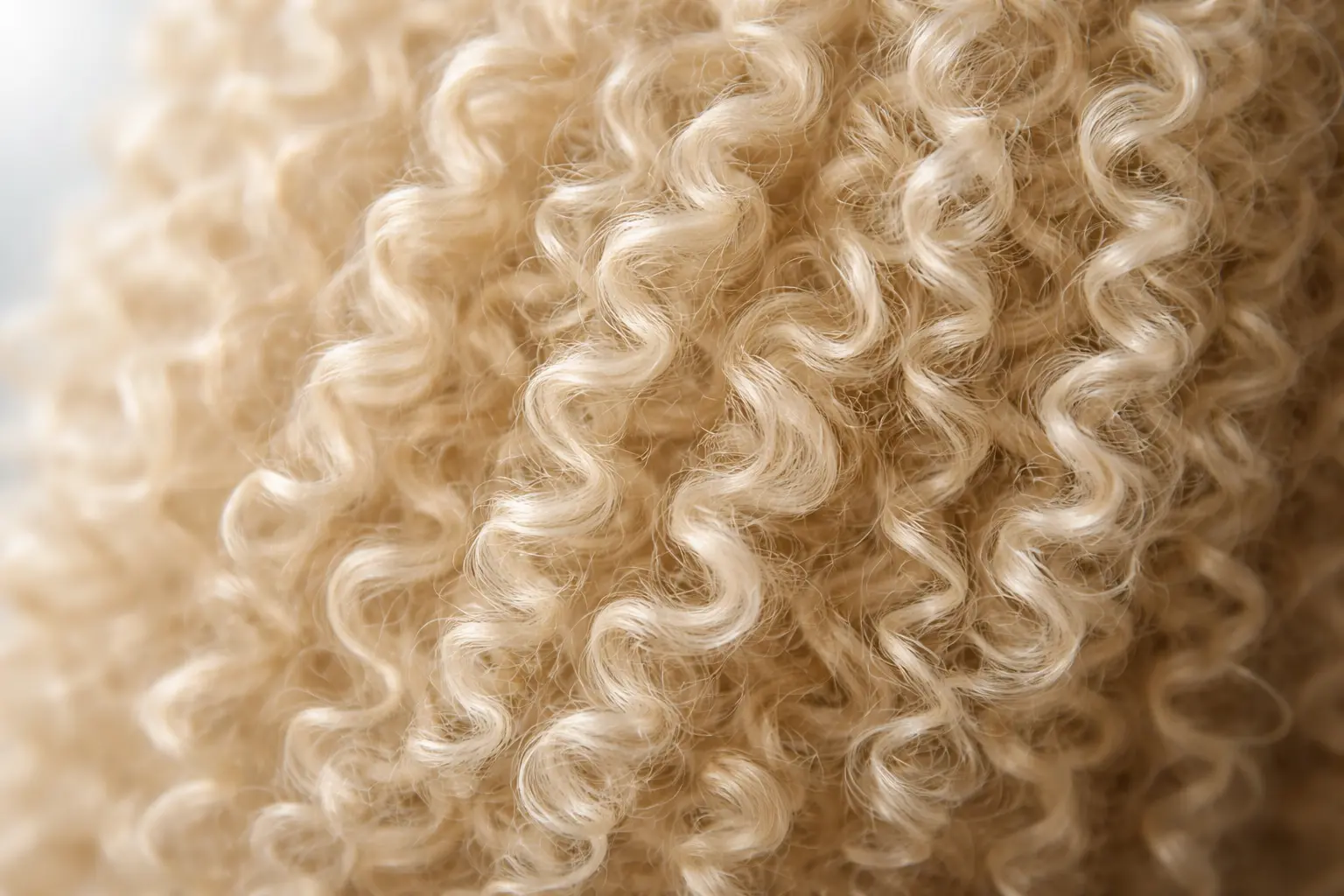
4a hair is often admired for its beautifully defined coils and natural volume. Yet many people with this curl pattern struggle with dryness, breakage, shrinkage, and scalp concerns.
If you have ever wondered why your curls need more moisture than other textures or why your strands feel fragile despite looking dense, understanding this hair is the first step.
In this comprehensive guide, you will learn what defines 4a, how to care for it properly, how to maintain scalp health, and what professional solutions are available if you experience thinning or hair loss. You will also find practical, science-informed tips that you can apply immediately.
If you are unsure how your texture compares to other curl patterns, you can explore more about different curly hair types at Ideal of Med.
What Is 4a Hair?
4a hair is a subtype within Type 4 hair, commonly known as coily or kinky hair. It features tight, springy curls that form a visible S-shaped pattern.
These coils are typically small in circumference, often compared to the size of a crochet needle. Despite the tight curl, it has more visible definition than 4b or 4c hair.
Key Characteristics
• Well-defined S-shaped curl pattern
• High shrinkage, often up to 50 percent or more
• Naturally voluminous appearance
• Prone to dryness due to curl structure
• Fragile strands that require gentle handling
The curl shape affects how natural scalp oils travel along the hair shaft. Because the coils bend frequently, oil has difficulty moving from root to tip. This is why 4a often feels dry even when the scalp produces enough oil.
How 4a Differs From 4b and 4c Hair
Understanding these differences helps you tailor your routine effectively.
4a hair has a visible curl pattern with more defined spirals.
4b hair has a tighter zigzag pattern with less visible definition.
4c hair has very tight coils with minimal visible curl pattern and significant shrinkage.
While all Type 4 textures require moisture-focused care, 4a may respond well to curl-defining creams and gels that enhance its natural spiral pattern.
Why 4a Needs Extra Moisture
Moisture is not just a cosmetic concern for this hair. It directly affects strength, elasticity, and breakage resistance.
Because the strands twist and turn, they are structurally weaker at each bend point. Dryness increases the likelihood of breakage at these stress points.
Signs Your Hair Lacks Moisture
• Dull appearance
• Increased tangling
• Excessive shedding or breakage
• Rough texture when touched
Hydrated hair feels soft, stretches slightly without snapping, and maintains curl definition.
The Ideal 4a Hair Care Routine
Consistency matters more than complexity.
Cleansing
Wash your hair with a gentle sulfate-free shampoo. Focus on cleansing the scalp rather than scrubbing the lengths aggressively.
For many people with this hair type, washing once per week works well. However, frequency depends on lifestyle, product use, and scalp condition.
If you exercise frequently or use heavy styling products, you may need to wash more often.
Deep Conditioning
Deep conditioning at least once per week helps restore moisture and improve elasticity.
Look for ingredients such as:
• Shea butter
• Aloe vera
• Glycerin
• Panthenol
• Ceramides
Apply heat using a warm towel or heat cap to help the conditioner penetrate more effectively.
Conditioning and Sealing
After washing, apply a water-based conditioner.
Follow with a cream and then an oil if needed. This layering method is often called the LOC method, which stands for liquid, oil, and cream.
This helps lock in moisture and reduce evaporation.
Gentle Detangling
Always detangle your hair while damp and coated with conditioner.
Use a wide-tooth comb or your fingers. Start from the ends and gradually work upward to avoid unnecessary breakage.
Protective Styling
Protective styles reduce daily manipulation and help retain length.
Examples include:
• Twists
• Braids
• Buns
• Wigs
Ensure styles are not too tight. Excessive tension can lead to traction alopecia, a form of hair loss caused by repeated pulling.
Give your scalp regular breaks between styles to allow recovery.
Scalp Health and Hair Growth
Healthy hair begins at the scalp.
A balanced scalp environment supports stronger growth and reduces shedding.
Common Scalp Issues
• Dry scalp
• Product buildup
• Itching
• Inflammation
Regular cleansing and occasional exfoliation with a gentle scalp scrub can improve circulation and remove buildup.
Massaging the scalp for a few minutes daily may also support blood flow to hair follicles.
Can 4a Experience Thinning or Hair Loss?
Yes. Hair texture does not prevent hair loss.
People with this hair can experience genetic hair loss, hormonal thinning, stress-related shedding, or traction alopecia.
Because this hair has high density and shrinkage, early thinning may go unnoticed until it becomes more advanced.
Signs to monitor include:
• Widening part line
• Thinning edges
• Visible scalp in certain areas
• Increased shedding beyond normal levels
If you notice persistent thinning, professional evaluation is important.
Professional Solutions for Hair Thinning
Modern hair restoration techniques are designed to accommodate textured hair.
Procedures must account for the curved shape of 4a follicles beneath the scalp. Skilled practitioners adjust extraction angles and placement techniques to preserve curl integrity.
For individuals exploring advanced options such as a hair transplant in Turkey, it is essential to choose a clinic experienced in textured hair handling.
A personalized consultation helps determine suitability based on scalp condition, donor density, and overall health.
Ingredients to Look For in 4a Products
Product selection makes a significant difference.
Beneficial Ingredients
• Humectants such as glycerin
• Natural oils like jojoba and argan oil
• Proteins in moderation to strengthen strands
• Botanical extracts that soothe the scalp
Ingredients to Use Carefully
• High alcohol content formulas that may dry the hair
• Harsh detergents that strip natural oils
• Heavy waxes that cause buildup
Balance is key. Too much protein can make hair feel stiff, while too much moisture without strengthening support can reduce resilience.
Managing Shrinkage
Shrinkage is a sign of healthy elasticity. However, it can make length retention seem discouraging.
To reduce shrinkage temporarily, you can try:
• Twist outs
• Braid-outs
• Banding methods
• Gentle stretching with low heat
Always use heat protectant products and avoid excessive heat exposure to maintain curl health.
Night Care Routine for 4a Hair
Night protection prevents moisture loss and friction damage.
Use a satin or silk pillowcase. Alternatively, wrap your hair in a satin scarf or wear a bonnet.
You can also loosely twist or braid your hair before bed to reduce tangling.
Applying a light moisturizer before wrapping helps maintain softness overnight.
Nutrition and Lifestyle Factors
Hair health reflects overall wellness.
A balanced diet rich in protein, iron, zinc, and vitamins supports healthy growth cycles.
Hydration is equally important. Drinking adequate water supports scalp function and strand flexibility.
Chronic stress may disrupt the hair growth cycle. Stress management techniques such as exercise, mindfulness, and adequate sleep contribute to healthier hair over time.
Frequently Asked Questions
Is 4a hair fragile?
4a can be fragile due to its tight curl structure. Gentle handling and moisture focused care significantly improve strength.
How often should 4a hair be washed?
Most people find once per week effective, though individual scalp needs may vary.
Does trimming help 4a hair grow?
Trimming does not increase growth rate, but it removes split ends and reduces breakage, which supports length retention.
Can 4a hair grow long?
Yes. With proper care, moisture balance, low-tension styling, and a healthy scalp, 4a hair can retain significant length.
Practical Takeaways for Healthier Hair
• Prioritize moisture at every stage of your routine
• Handle curls gently, especially when detangling
• Protect hair at night to reduce friction
• Monitor your scalp for early signs of thinning
• Seek professional advice if hair loss persists
Consistency produces visible results over time.
Conclusion
4a hair is uniquely beautiful and versatile. Its defined coils offer volume and character, yet they require intentional care to remain healthy.
By understanding how moisture, scalp health, and gentle handling influence this curl pattern, you can reduce breakage and improve overall resilience.
If you experience thinning or are considering professional solutions, informed guidance and experienced care providers can help you explore appropriate options.
With the right routine and support, your hair can thrive, maintain strength, and reflect the confidence that comes with healthy curls.