








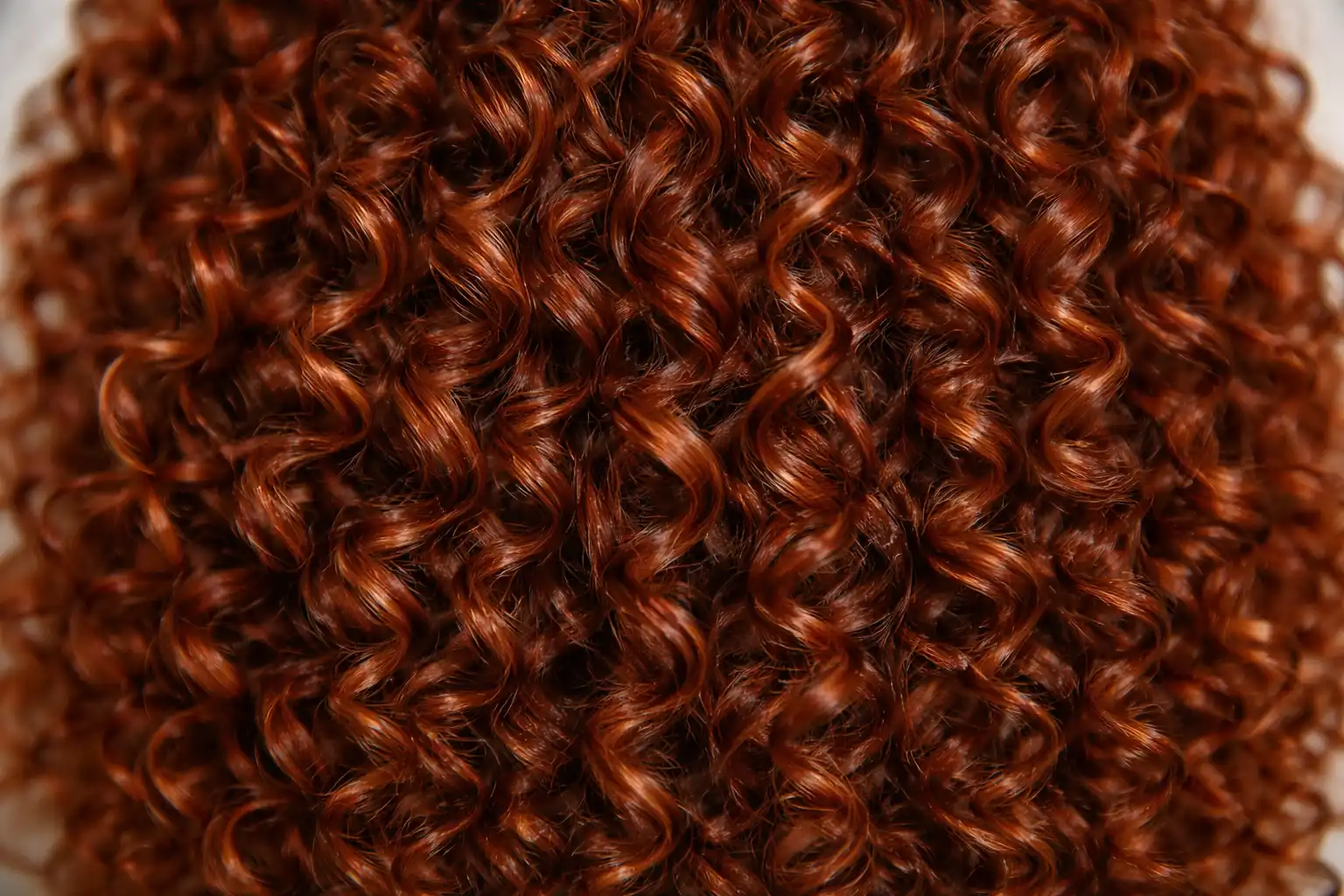
If your curls are tight, springy, and full of volume, you may have 3c hair. This hair type is known for its beautiful corkscrew curls, natural density, and noticeable shrinkage. While 3c can look vibrant and defined, it also requires consistent care to prevent dryness, breakage, and thinning.
Understanding your curl pattern is the first step toward healthier hair. When you know how 3c hair behaves, you can choose the right products, routines, and treatments that protect both your strands and your scalp.
If you are still identifying your curl pattern, you can explore our detailed guide on different hair types to better understand where 3c fits within the curl classification system.
In this comprehensive guide, you will learn what defines 3c hair, how to care for it properly, how to support healthy growth, and what professional solutions are available if you notice thinning or hair loss.
What Is 3C Hair?
3c hair is a curl type within the Type 3 category of the widely used hair typing system. It features tight, well-defined corkscrew curls that are about the size of a pencil or straw.
The curls are typically dense and voluminous. However, because of the tight curl pattern, natural oils from the scalp have a harder time traveling down the hair shaft. This often leads to dryness.
Key Characteristics
• Tight corkscrew curls
• High volume and density
• Noticeable shrinkage
• Prone to dryness
• Susceptible to breakage if not moisturized properly
Shrinkage is one of the most common concerns for people with 3c. Your hair may appear much shorter than its actual length when dry. This is completely normal and does not mean your hair is not growing.
3C Hair vs Other Curl Types
Understanding how 3c differs from similar textures helps you build a better care routine.
3C vs 3B Hair
3b hair has looser curls that are larger in circumference. It often has more natural shine because oils travel more easily along the strand.
3c, on the other hand, has tighter curls and tends to experience more shrinkage and dryness.
3C vs 4A Hair
4a hair has even tighter coils and often a zigzag pattern. It may feel softer but is typically more fragile.
3c sits between 3b and 4a in tightness. It combines volume with springy definition.
Why 3C Hair Needs Special Care
The structure of 3c makes it more vulnerable to certain challenges.
Because the curls bend and twist frequently, the hair shaft has multiple weak points. These bends can make strands more prone to breakage.
Dryness is also common. When the scalp produces natural oils, the tight curls prevent those oils from easily coating the full length of the hair.
Without proper moisture and gentle handling, 3c hair can become brittle, frizzy, and thin over time.
How to Build a Healthy 3C Hair Care Routine
Gentle Cleansing
Use a sulfate-free shampoo to cleanse without stripping natural oils. Washing once or twice a week is often sufficient, but frequency depends on your scalp condition and lifestyle.
If your scalp feels itchy or oily, you may need more frequent cleansing.
Deep Conditioning
Deep conditioning is essential for 3c hair. Look for products rich in ingredients such as shea butter, aloe vera, and natural oils.
Aim to deep condition at least once per week. This helps restore moisture and reduce breakage.
Leave-In Moisture and Curl Definition
After washing, apply a leave-in conditioner to damp hair. Follow with a curl cream or gel to enhance definition.
The layering method helps lock in hydration and reduce frizz.
Gentle Detangling
Always detangle 3c hair when it is damp and coated with conditioner. Use a wide-tooth comb or your fingers.
Start from the ends and work your way up to prevent unnecessary tension.
Protective Styling
Protective styles such as braids or twists can reduce daily manipulation. However, they should not be installed too tightly.
Excess tension around the hairline can lead to traction-related thinning.
Supporting Hair Growth for 3C Hair
Maintain Scalp Health
Keep the scalp clean and free from buildup. Gentle scalp massages can improve blood circulation and support nutrient delivery to hair follicles.
If you experience persistent itching, flaking, or inflammation, it may be helpful to consult a specialist.
Balanced Nutrition
Hair is made of protein. A diet that includes adequate protein, iron, zinc, and vitamins supports healthy growth.
Hydration also plays an important role in maintaining elasticity and strength.
Minimize Heat and Chemical Stress
Frequent heat styling can weaken the curl pattern and cause dryness.
If you use heat tools, apply a heat protectant and keep temperatures moderate.
Chemical treatments should be approached cautiously, as overprocessing can compromise strand integrity.
Common 3C Hair Concerns
Frizz
Frizz often results from lack of moisture. Sealing hydration with lightweight oils can help smooth the cuticle.
Sleeping on a satin or silk pillowcase also reduces friction.
Breakage
Breakage can occur from rough handling, tight hairstyles, or insufficient conditioning.
Trimming split ends regularly helps maintain overall health.
Thinning or Hair Loss
While 3c is naturally dense, some individuals may experience thinning due to genetics, stress, hormonal changes, or traction.
If you notice widening parts or a receding hairline, early evaluation is important.
Professional Solutions for 3C Hair Thinning
When hair loss goes beyond normal shedding, professional assessment can identify the cause.
Nonsurgical therapies may help support follicle health in certain cases.
Istanbul is now recognized worldwide as a leading center for cutting-edge hair restoration procedures, attracting international patients seeking the renowned hair transplant treatments in Turkey.
Curly hair transplantation requires special expertise. The angle and direction of implantation must match the natural curl pattern to achieve harmonious results.
An experienced medical team understands how to work with curly follicles to preserve natural density and texture.
How to Protect the Hairline with 3C Hair
The hairline is particularly sensitive.
Avoid styles that pull tightly at the front. Rotate hairstyles to reduce repeated stress on the same areas.
Incorporate gentle edge care products and avoid excessive brushing.
If thinning around the edges persists, professional consultation can help determine whether the cause is traction related or linked to other factors.
Daily Habits That Improve 3C Hair Health
• Sleep with a satin bonnet or pillowcase
• Avoid brushing dry curls
• Use microfiber towels instead of rough cotton towels
• Refresh curls with a light mist of water and leave-in conditioner between washes
• Stay consistent with trims every few months
Consistency is more important than using many products. A simple routine followed regularly is often more effective than frequently switching products.
When to Seek Professional Advice
If you experience sudden shedding, visible scalp patches, persistent inflammation, or ongoing breakage despite proper care, it is advisable to consult a hair specialist.
Early evaluation allows for more conservative interventions.
At Ideal of Med, patients receive comprehensive assessments to understand the root cause of hair concerns. Personalized guidance ensures that both scalp health and aesthetic goals are considered.
Frequently Asked Questions
How often should 3c hair be washed?
Most people benefit from washing once or twice weekly. However, scalp condition and activity level may influence frequency.
Is shrinkage a sign of unhealthy hair?
No. Shrinkage is a natural characteristic of tight curls. It indicates elasticity, not damage.
Can 3c hair grow long?
Yes. With proper care and reduced breakage, 3c hair can retain length effectively.
Conclusion
3c is vibrant, versatile, and full of character. Its tight curls offer natural volume and definition, but they also require consistent moisture, gentle handling, and scalp care.
By understanding your curl pattern and building a routine that protects both strands and follicles, you can maintain stronger, healthier hair over time.
If you notice signs of thinning or persistent scalp concerns, seeking professional evaluation can provide clarity and direction.
Healthy curls begin with informed care. With the right approach, 3c hair can thrive in both appearance and strength.