








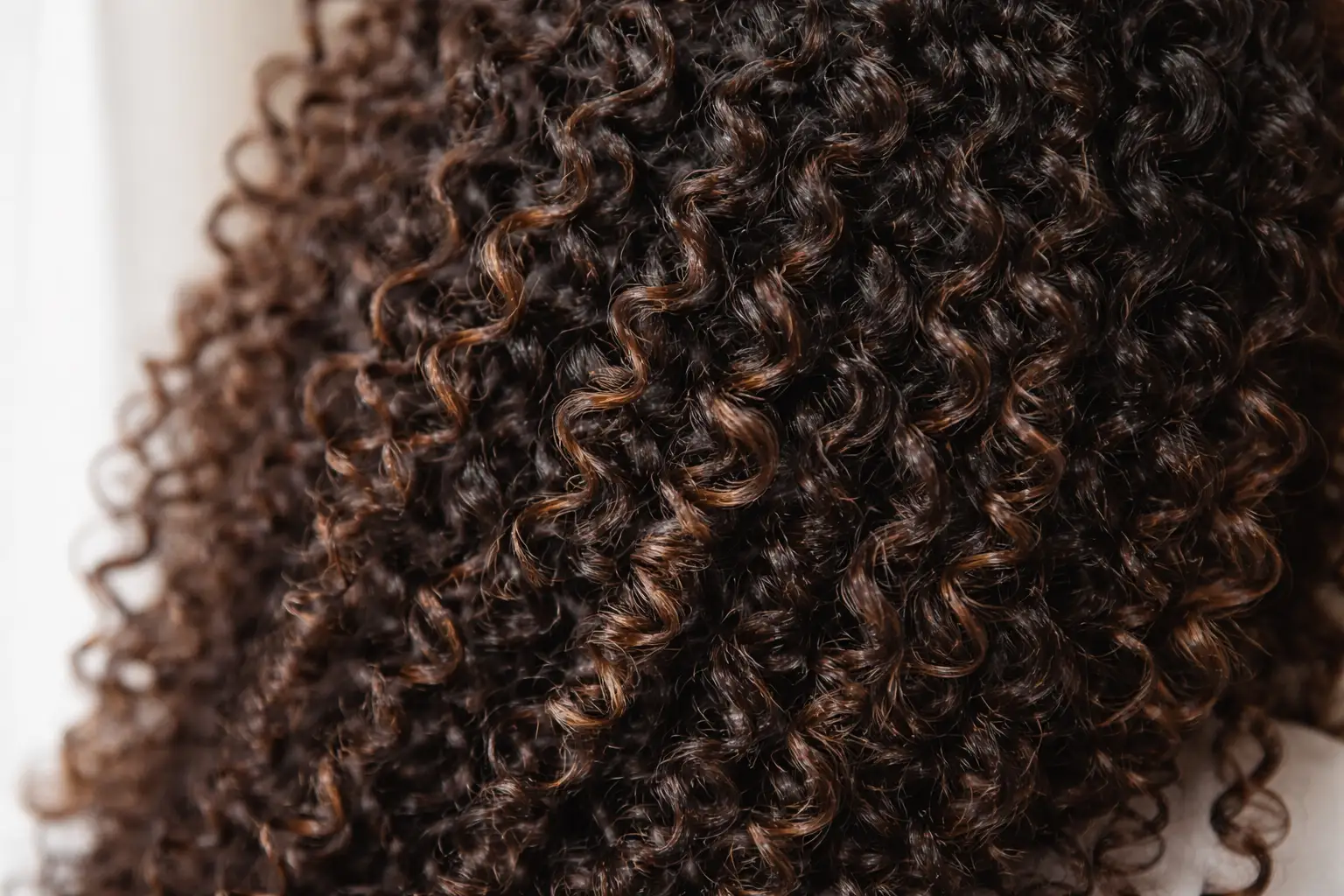
If your curls form tight, springy ringlets about the size of a marker and are full of volume, you likely have 3b hair. This curl type is beautiful, bold, and naturally eye-catching. However, it also comes with unique challenges such as dryness, frizz, shrinkage, and sometimes hidden scalp concerns.
Understanding your curl pattern is the first step toward healthier hair. If you are still unsure about your texture category, you can explore the broader classification system in our detailed guide on hair textures to see how 3b fits within the curl spectrum.
In this comprehensive guide, you will learn what 3b really is, how it differs from other curl types, the best care routine, common problems, and when professional support may be necessary. Whether you want better curl definition or are concerned about thinning, this article will help you make informed decisions.
What Is 3b Hair?
3b hair is part of the Type 3 curly hair category. It features well-defined, tight spiral curls that are typically about the circumference of a marker or finger.
The curls are springy, voluminous, and densely packed. This texture naturally creates body and movement, but it also makes it harder for natural scalp oils to travel down the hair shaft.
Key Characteristics of
- Tight, elastic ringlets
- Noticeable shrinkage when dry
- High volume and density
- Prone to frizz in humid conditions
- Can appear dry without proper moisture support
Because of its structure, 3b hair often needs more hydration than straight or wavy hair types.
3b Hair vs 3a and 3c Hair
Many people fall between curl types, so it helps to understand the differences.
3b Hair vs 3a Hair
3a hair curls are larger and looser. They tend to have more shine and slightly less shrinkage.
3b hair, on the other hand, has tighter curls, more volume, and a greater tendency toward dryness.
3b Hair vs 3c Hair
3c curls are even tighter and more compact than 3b curls. They may resemble small corkscrews and often experience significant shrinkage.
If your curls are clearly defined but not extremely tight, you are likely in the 3b category.
It is also common to have a mix of 3b and 3c hair, especially in different areas of the scalp.
Why 3B Is Prone to Dryness and Frizz
The curly structure of 3b hair makes it harder for sebum, the natural oil produced by the scalp, to coat the entire strand. As a result, the ends often become dry.
Humidity can also disrupt the hydrogen bonds within the hair shaft. This causes frizz and loss of curl definition. Proper hydration and sealing techniques are essential for maintaining smooth, defined curls.
The Ideal 3b Hair Care Routine
Consistency matters more than complexity. A simple but structured routine can transform your curls.
1. Gentle Cleansing
- Use a sulfate-free shampoo to avoid stripping natural oils.
- Wash your hair two to three times per week, depending on your scalp condition.
- If your scalp feels tight or itchy, it may indicate dryness or buildup.
2. Deep Conditioning
- Deep condition at least once a week.
- Look for ingredients such as shea butter, aloe vera, glycerin, and natural oils. These help restore moisture and elasticity.
- Apply heat with a shower cap for better penetration.
3. Leave-In Hydration
- After washing, apply a leave-in conditioner while your hair is damp.
- Follow with a curl cream or lightweight gel to define ringlets.
- Scrunch gently to encourage curl formation.
4. Seal and Protect
- Use a light oil to seal in moisture.
- Sleep on a satin or silk pillowcase to reduce friction and breakage.
- Protective styles such as loose braids can also help minimize damage.
Common Problems With 3b Hair
Even with proper care, certain issues may arise.
Frizz and Loss of Definition
This is often caused by insufficient moisture or humidity exposure. Layering products correctly and avoiding excessive brushing can help.
Breakage and Split Ends
Tight curls are more vulnerable to mechanical damage. Avoid rough towel drying. Use a microfiber towel or cotton T-shirt instead.
Thinning or Hair Loss
The volume of 3b hair can sometimes hide early signs of thinning.
If you notice increased shedding, a widening part, or scalp visibility, professional evaluation may be helpful.
For individuals experiencing significant hair loss, exploring advanced solutions such as a famous hair transplant in Turkey. can be part of a long-term restoration plan.
Scalp Health and 3b Hair
Healthy curls begin at the scalp. Product buildup is common because curly hair routines often involve multiple styling products. Clarify your scalp once every few weeks with a gentle clarifying shampoo.
Massaging the scalp improves circulation and supports overall follicle health. If you experience persistent itching, redness, or flaking, consult a hair professional for proper assessment.
Styling Tips for 3b Hair
Styling 3b hair should enhance the natural curl pattern rather than fight it.
Diffusing for Volume
- Use a diffuser attachment on low heat.
- Cup sections of hair and dry gently to maintain curl integrity.
Air Drying for Definition
- Allowing hair to air dry can reduce heat exposure.
- Avoid touching your curls while drying to prevent frizz.
Layered Haircuts
- Layering helps distribute volume evenly.
- A professional stylist familiar with curly textures can shape your hair to enhance its natural bounce.
Can 3b Hair Be a Good Candidate for a Hair Transplant?
Yes, in many cases. Curly hair, including 3b hair, can provide excellent coverage after transplantation because each strand occupies more visual space.
However, curl direction and follicle shape require expertise during extraction and implantation. Choosing an experienced medical team is essential for natural-looking results.
Ideal of Med in Istanbul provides comprehensive hair assessments to determine candidacy and create personalized treatment strategies.
Professional Support for 3b Hair in Istanbul
If you are based in or traveling to Turkey, Istanbul has become a global destination for hair restoration and scalp treatments.
At Ideal of Med, patients receive structured consultations that evaluate scalp condition, hair density, medical history, and long-term goals. Treatment plans are tailored rather than standardized.
This approach is especially important for curly textures like 3b hair, where preservation of curl pattern and natural growth direction matters.
Practical Takeaways for Healthier 3b Hair
- Hydrate consistently and deeply
- Avoid harsh cleansers
- Minimize heat styling
- Protect hair during sleep
- Monitor your scalp for early signs of imbalance
- Seek professional guidance if shedding increases
Small adjustments in routine can produce noticeable improvements in shine, definition, and strength.
Frequently Asked Questions
How often should you wash 3b hair?
Two to three times per week is usually sufficient. Adjust based on scalp oiliness and activity level.
Is 3b hair high maintenance?
It requires intentional moisture care, but with the right routine, it becomes manageable and predictable.
Can 3b hair change texture over time?
Hormonal changes, heat damage, or chemical treatments can alter curl pattern. Gentle care helps preserve natural texture.
Does curly hair hide thinning?
Yes. The volume of 3b can camouflage early thinning, which is why periodic scalp checks are recommended.
Conclusion
3b hair is vibrant, dynamic, and full of personality. Its tight ringlets create natural volume and visual impact, but they also require targeted hydration and mindful handling.
By understanding your curl structure, adopting a consistent care routine, and monitoring scalp health, you can maintain strong, defined curls.
If you experience persistent thinning or scalp concerns, professional consultation can provide clarity and direction.
With the right combination of daily care and expert support, 3b can remain healthy, resilient, and confidently styled for years to come.