








Some days your waves look perfectly defined. Other days they feel frizzy, dry, and impossible to manage. If this sounds familiar, you may have 2c hair.
This hair type sits between loose waves and true curls. It has volume, texture, and personality, but it also requires the right care to stay healthy and defined.
Understanding your natural pattern is the first step toward improving your shine, reducing breakage, and preventing long-term thinning. If you are unsure about your hair classification, you can explore different sorts of hair to better understand where your hair fits within the broader texture spectrum.
In this comprehensive guide, you will learn what 2c really is, how to care for it properly, how to style it, and when professional support may be beneficial for long-term hair health.
What Is 2C Hair?
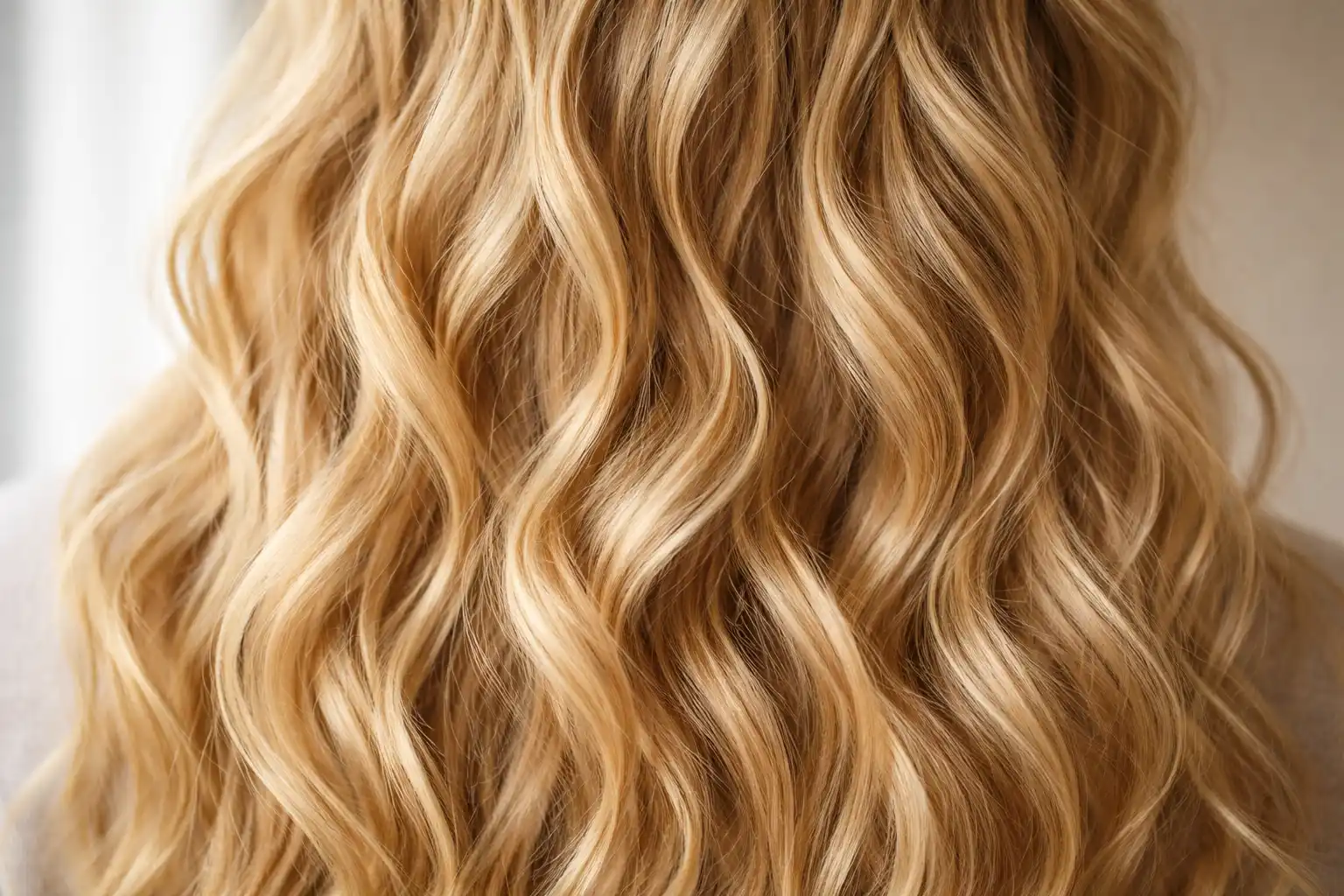
2c hair is a wavy hair type characterized by well-defined S-shaped waves that begin close to the roots. It is thicker and coarser than 2a and 2b hair, with more volume and more natural texture.
Because the waves start higher on the scalp, this type of hair often appears fuller. However, it is also more prone to frizz, dryness, and tangling.
Key Characteristics of 2C
• Strong, defined S-shaped waves
• Noticeable volume at the roots
• Medium to coarse strand thickness
• Higher tendency toward frizz
• Can border on loose curls in humid climates
This hair can sometimes form ringlets, especially when properly hydrated. However, without moisture and structure, it can quickly become undefined and puffy.
2C Hair vs Other Hair Types
Understanding how 2c differs from similar patterns helps you choose the correct routine and products.
2C vs 2B Hair
2b hair has looser waves that typically begin mid-length rather than at the roots. It is usually finer and less voluminous.
In contrast, 2c has more density, more texture, and greater frizz potential.
2C vs 2A Hair
2A hair has loose, barely defined S-shaped waves that usually start from the mid-lengths. Frizz is usually mild, and the hair is generally easier to straighten or style with minimal product.
In simple terms, 2A hair is soft and subtle, while 2C is bold, textured, and more demanding in terms of care.
2C vs 3A Hair
3a hair forms consistent spiral curls. While 2c may create loose ringlets, it generally maintains a wavy structure rather than full curls.
If your hair alternates between strong waves and loose curls, you likely fall into the 2c category.
Common Challenges With 2C Hair
While 2c is naturally beautiful and full of movement, it requires specific care to prevent damage.
Frizz and Humidity Sensitivity
The raised cuticle structure in wavy hair makes 2c more vulnerable to humidity.
When moisture enters the hair shaft unevenly, strands swell, causing frizz and loss of definition.
Dryness and Breakage
Natural oils from the scalp struggle to travel down textured strands.
As a result, mid-lengths and ends may become dry, brittle, and prone to split ends.
Scalp Imbalance
Some individuals with 2c hair experience oily roots but dry ends. Others notice product buildup due to heavy creams and gels.
Maintaining scalp balance is essential for long-term hair health.
The Best Hair Care Routine
A structured routine can transform how 2c hair looks and feels.
1. Gentle Cleansing
Use a sulfate-free shampoo that removes buildup without stripping natural oils.
Washing two to three times per week is typically sufficient, though this may vary depending on scalp oil production.
2. Moisture-Focused Conditioning
Choose conditioners with hydrating ingredients such as aloe vera, glycerin, or lightweight plant oils.
Apply primarily to mid-lengths and ends to avoid weighing down the roots.
3. Weekly Deep Conditioning
A deep conditioning mask once per week helps restore elasticity and shine.
Look for formulas that support protein moisture balance. Too much protein can cause stiffness, while too much moisture can reduce definition.
4. Leave-In and Styling Support
A lightweight leave-in conditioner followed by a curl-defining cream or gel can enhance wave structure.
Apply products to damp hair and use a scrunching motion to encourage formation.
How to Style 2C for Better Definition
Styling techniques matter as much as product choice.
Diffusing for Volume
Using a diffuser attachment on low heat and low speed helps set waves without disturbing their pattern.
Avoid excessive touching while drying to reduce frizz.
Air Drying With Structure
If air drying, scrunch gently and avoid brushing once the hair begins to set.
You can lightly twist small sections to encourage more consistent wave formation.
Avoiding Heat Damage
Frequent straightening or curling with high heat can weaken the wave pattern.
If heat styling is necessary, always apply a protective spray and keep temperatures moderate.
Haircuts That Complement 2C Hair
Layered cuts often work well for 2c hair.
Strategic layers remove excess weight, allowing waves to spring up naturally.
Long, one-length cuts may pull the hair downward, reducing movement and shape.
Consulting a stylist familiar with textured hair ensures better shaping and easier daily styling.
Managing Frizz
Frizz control starts in the shower.
Rinse with lukewarm rather than hot water. Finish with a cool rinse to help seal the cuticle.
Use a microfiber towel or cotton T-shirt instead of a traditional towel to reduce friction.
Sleeping on a satin or silk pillowcase can also minimize overnight frizz and breakage.
Can 2C Hair Experience Thinning?
Yes. Hair texture does not prevent hair loss.
In fact, because 2c is naturally voluminous, early thinning may go unnoticed.
Signs to watch for include increased shedding, visible scalp at the crown, widening part lines, and reduced density over time.
Early intervention improves outcomes. Nonsurgical therapies such as PRP or mesotherapy may support follicle strength in appropriate candidates.
For individuals experiencing advanced hair loss, surgical restoration may be considered. You can learn more about the top hair transplant in Turkey. to explore professional treatment options available at Ideal of Med.
Professional Support for Long-Term Hair Health
Healthy waves begin at the scalp.
Comprehensive evaluation can identify issues such as inflammation, hormonal imbalance, or nutritional deficiencies that affect hair growth cycles.
Professional clinics offer advanced diagnostics and treatment plans tailored to your hair type and goals.
Ideal of Med provides evidence-based hair restoration and scalp care services designed to support density, structure, and long-term follicle health.
Lifestyle Habits That Improve Hair Quality
Daily habits significantly influence hair condition.
Balanced Nutrition
Hair strands are composed primarily of protein. Adequate intake of protein, iron, zinc, and essential fatty acids supports healthy growth.
Stress Management
Chronic stress can disrupt the natural hair growth cycle.
Incorporating relaxation techniques, adequate sleep, and regular physical activity may support overall scalp health.
Gentle Handling
Avoid aggressive brushing. Use a wide-tooth comb on damp hair with conditioner applied to minimize breakage.
Limit tight hairstyles that place tension on the roots.
Frequently Asked Questions
Is 2C hair curly or wavy?
2c hair is classified as wavy, but it often borders on loose curls. Its pattern is stronger than 2a and 2b yet not as tight as 3a curls.
How Often Should You Wash 2C Hair?
Most people benefit from washing two to three times per week. However, scalp oil levels and lifestyle factors may influence frequency.
Can 2C Hair Become Curly Over Time?
Hormonal changes, climate, and styling habits can slightly influence pattern. However, your natural follicle shape largely determines wave structure.
What Is the Best Way to Refresh 2C Waves?
Lightly mist hair with water, apply a small amount of leave-in conditioner, and gently scrunch to reactivate definition.
Practical Takeaways for Managing 2C Hair
• Focus on hydration without overloading with heavy products
• Use gentle cleansing methods to maintain scalp balance
• Incorporate weekly deep conditioning
• Protect hair from friction and excessive heat
• Seek professional advice if you notice signs of thinning
Consistency is more important than complexity. A simple, structured routine often delivers better results than constantly changing products.
Conclusion
2c hair is dynamic, full, and expressive. With the right balance of moisture, structure, and scalp care, it can maintain beautiful definition and long-term strength.
Understanding your texture empowers you to make informed decisions about styling, product selection, and professional treatments.
Whether you are refining your at-home routine or exploring advanced restoration options, maintaining scalp health and strand integrity should remain your priority.
With proper care and informed guidance, your hair can remain resilient, defined, and healthy for years to come.