







Hair typing has become an important part of understanding how to care for your hair properly.
Among the different hair types, 1A hair is often admired for its sleek, straight appearance but also misunderstood when it comes to maintenance and styling.
If you have 1A hair, you may struggle with flat roots, excess oil, or styles that refuse to hold. At the same time, your hair may look shiny, smooth, and effortlessly polished on good days.
This guide explores everything you need to know about 1A hair, from identifying its characteristics to building a practical care routine.
You will also find styling tips, common problems, and actionable advice to help you make the most of your hair type.
Understanding 1A Hair Type
1A hair is part of the Type 1 hair category, which includes naturally straight hair. Among all straight hair types, 1A hair is the finest and most delicate.
This hair type typically lies flat from the roots to the ends and does not have any natural wave or curl pattern. Because of its smooth structure, natural oils from the scalp can travel down the hair shaft very easily.
What Does 1A Hair Look Like?
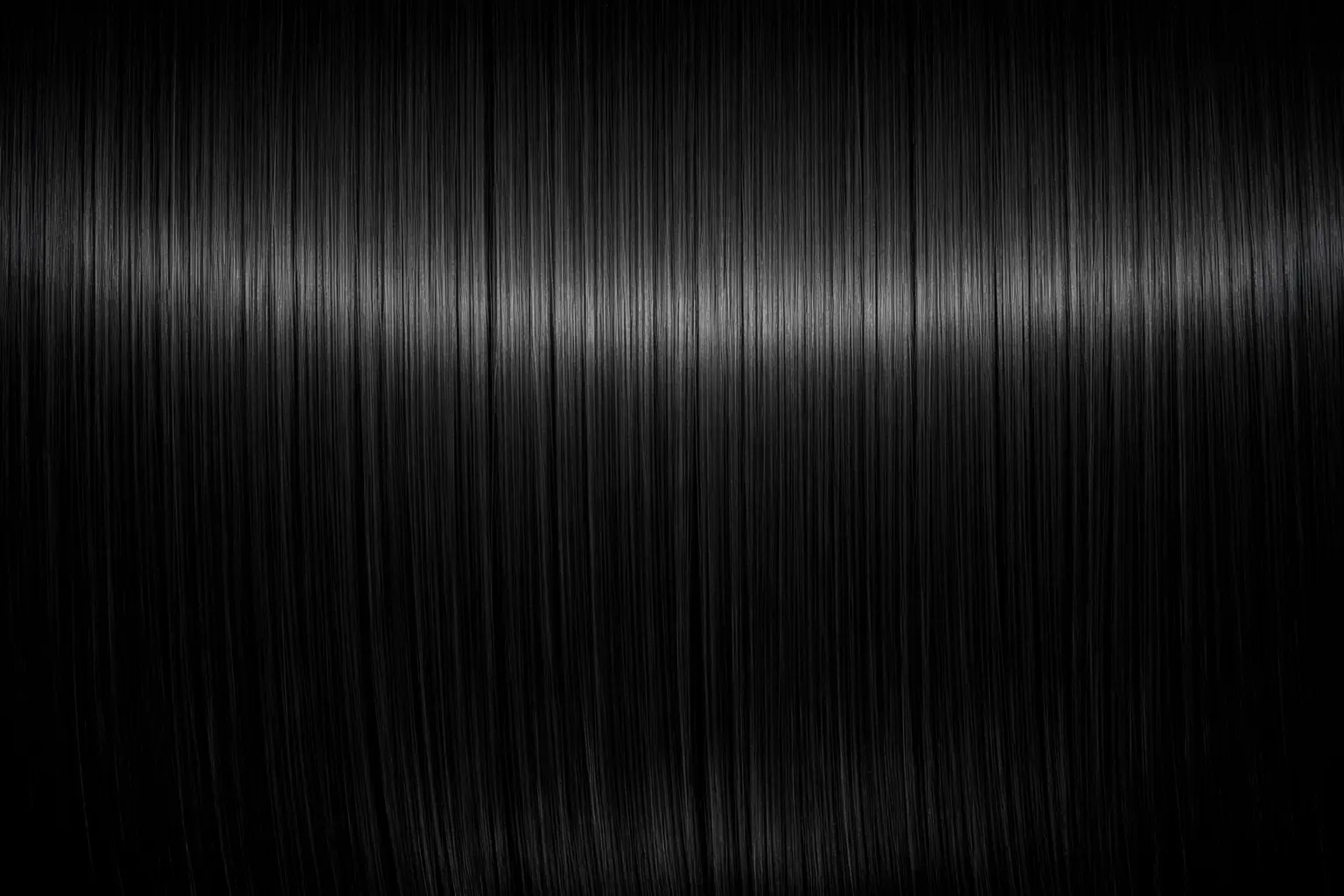
1A hair appears pin straight and smooth without the need for styling tools. It reflects light easily, which often gives it a shiny or silky look.
The strands are usually very fine, and the hair tends to fall flat against the scalp. Even when air dried, it maintains a straight shape without bends or texture.
1A Hair Texture, Thickness, and Density
Texture refers to the thickness of each hair strand. In 1A hair, the strands are extremely fine.
Thickness and density are often confused. While 1A hair strands are fine, the density can vary. Some people have a lot of fine hair, while others have fewer strands.
This combination affects how full or thin the hair looks overall.
How 1A Hair Is Different From 1B and 1C Hair
1A hair is the straightest and finest among straight hair types.
1B hair is straight but slightly thicker with more body. It can hold styles better.
1C hair is straight with subtle bends and a coarser texture. It often has more volume and is easier to curl.
Understanding these differences helps you choose the right products and styling techniques.
Key Characteristics of 1A Hair
Recognizing the defining traits of 1A hair makes it easier to care for it properly.
Naturally Straight and Sleek
1A hair does not require straightening. It naturally grows straight from the root.
This makes it low maintenance in terms of daily styling but challenging when you want volume or texture.
Fine Hair Strands and Lightweight Feel
Each strand of 1A hair is thin, which gives the hair a soft and lightweight feel.
Because of this, heavy products can easily weigh it down.
Shine and Smoothness in 1A Hair
The smooth cuticle structure allows light to reflect evenly.
This is why 1A hair often looks glossy and healthy even without styling products.
Why 1A Hair Gets Oily Quickly
Natural oils travel easily along straight hair shafts.
As a result, 1A hair can appear greasy faster than other hair types, especially at the roots.
Common Problems Faced by 1A Hair
While 1A hair has its advantages, it also comes with unique challenges.
Lack of Volume and Flat Appearance
One of the most common concerns is flat hair.
Because 1A hair lies close to the scalp, it can look limp, especially at the crown.
Greasy Scalp Issues
Frequent oil buildup can make the hair look unwashed even shortly after shampooing.
This often leads people to overwash, which can create scalp imbalance.
Difficulty Holding Curls or Styles
Curls and waves tend to fall out quickly.
Even with heat styling, 1A hair often returns to its straight shape within hours.
Hair Breakage and Slippage
Fine strands are more fragile.
1A hair can break easily when brushed aggressively or tied too tightly.
If fine straight hair begins to thin significantly over time, some people consider medical solutions such as a turkey hair transplant for long term restoration.
Best Hair Care Routine for 1A Hair
A gentle and lightweight routine works best for 1A hair.
How Often Should You Wash 1A Hair?
Most people with 1A hair benefit from washing every other day or every two days.
Daily washing may be necessary for very oily scalps, but it should be done with mild products.
Best Shampoo and Conditioner for 1A Hair
Look for volumizing or lightweight formulas.
Avoid heavy moisturizing shampoos that are designed for dry or curly hair.
Conditioner should be applied only to the mid lengths and ends.
[H3] Lightweight Hair Products to Use
Mousses, root sprays, and light serums work well.
Dry shampoo can help control oil and add texture between washes.
Products to Avoid for 1A Hair Type
Heavy oils, thick creams, and butter based masks can weigh hair down.
Silicone heavy products may cause buildup over time.
[H2] Styling Tips for 1A Hair
Styling 1A hair requires techniques that add lift and movement.
How to Add Volume to 1A Hair
Blow drying with a round brush can lift roots.
Using a volumizing mousse before drying can enhance results.
Best Haircuts for 1A Hair
Blunt cuts often make hair look fuller.
Short to medium lengths tend to hold volume better than very long styles.
Heat Styling Tips for Fine Straight Hair
Always use a heat protectant.
Lower heat settings are usually sufficient for 1A hair.
Hairstyles That Work Best for 1A Hair
Sleek ponytails, blunt bobs, and layered lobs are popular choices.
Textured updos can work when supported with styling products.
Can 1A Hair Be Curled or Textured?
Although challenging, it is possible to add texture to 1A hair.
How to Make Curls Last on 1A Hair
Use a lightweight mousse before curling.
Let curls cool completely before touching them.
Best Curling Tools for 1A Hair
Smaller barrel curling irons create tighter curls that last longer.
Hot rollers can also help maintain shape.
Heat Free Styling Options
Braiding slightly damp hair can create soft texture.
Texturizing sprays can enhance natural movement.
Natural Remedies and Tips for Healthy 1A Hair
Natural care can support scalp health and hair strength.
Oils Suitable for 1A Hair
Light oils like argan or grapeseed oil work best.
Use sparingly and focus on the ends.
DIY Hair Masks for Fine Straight Hair
Aloe vera based masks can hydrate without heaviness.
Avoid thick oil heavy masks.
Scalp Care Tips for 1A Hair
Regular scalp cleansing prevents buildup.
Gentle massage can improve circulation.
Is 1A Hair Rare?
1A hair is less common than other straight hair types.
Genetics Behind 1A Hair Type
Hair texture is largely determined by genetics.
The shape of the hair follicle influences straightness.
Which Ethnicities Commonly Have 1A Hair
1A hair is more commonly seen in East Asian populations.
However, it can occur in any ethnic background.
Frequently Asked Questions About 1A Hair
Is 1A Hair the Same as Silky Hair?
Not always.
1A hair refers to structure, while silky describes texture and feel.
Does 1A Hair Grow Faster?
Growth rate is determined by genetics and health, not hair type.
1A hair may appear to grow faster because it does not shrink or curl.
How to Stop 1A Hair From Looking Flat?
Use volumizing products.
Change your part regularly to lift roots.
1A hair is defined by its fine texture, straight structure, and smooth appearance. While it often looks shiny and polished, it also requires thoughtful care to avoid flatness, oil buildup, and breakage.
By understanding the unique needs of 1A hair and following a lightweight routine, you can maintain healthy, vibrant hair that works with its natural structure rather than against it.
Whether your goal is everyday manageability, better styling results, or long term hair health, the right knowledge and consistent care make all the difference.