









Weight loss medications are becoming more popular, and many people are now using tirzepatide to manage weight and blood sugar.
But as more people start using it, a common concern has appeared.
Does tirzepatide cause hair loss?
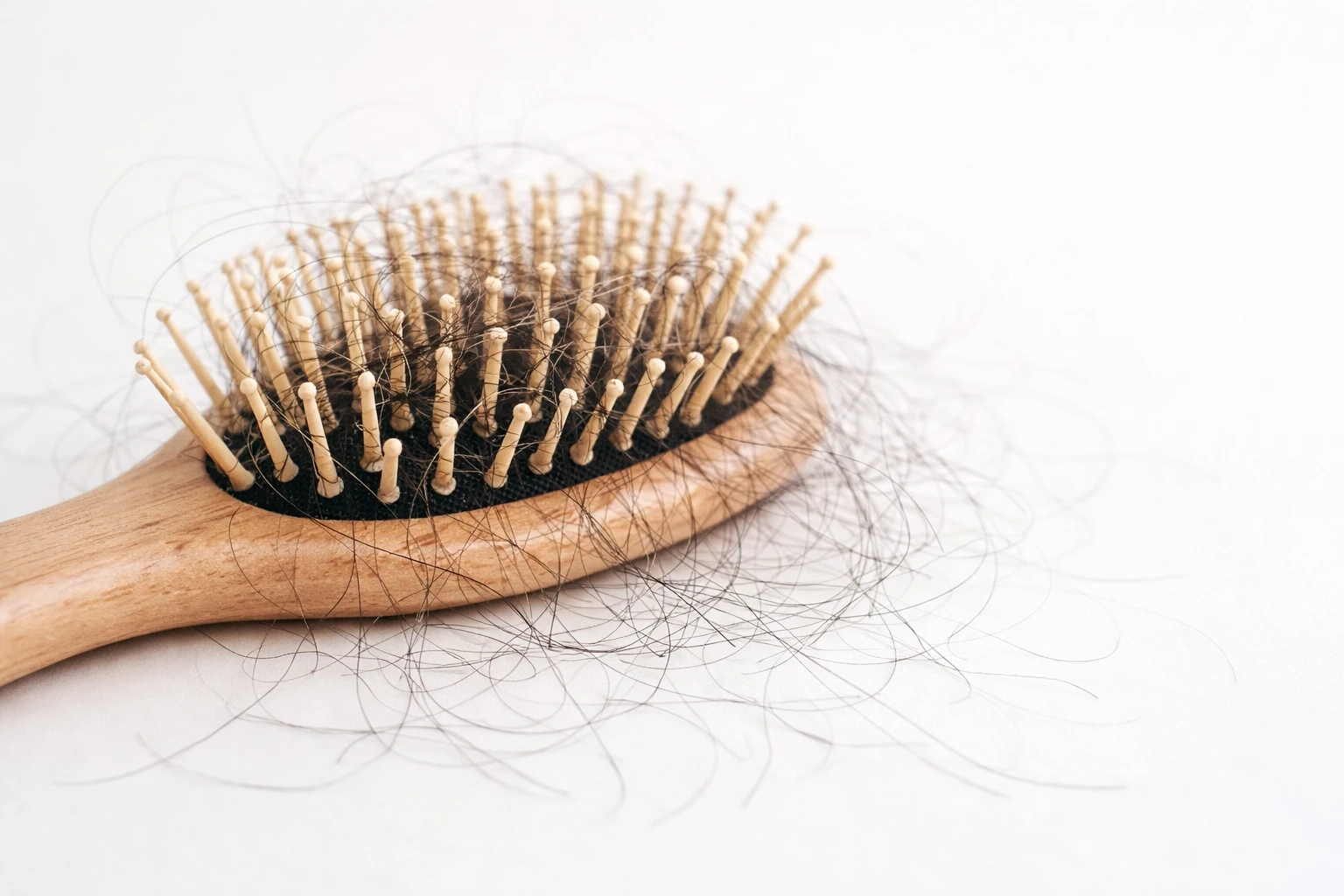
If you have noticed more hair in your brush or shower, you are not alone. Many people worry that the medication may be the reason.
The truth is a bit more complex.
In this guide, we will explain what tirzepatide does, whether it is linked to hair loss, and what you can do to protect your hair.
What Is Tirzepatide?
Tirzepatide is a medication used to help manage type 2 diabetes and support weight loss.
It works by affecting hormones that control blood sugar and appetite. This helps people feel full for longer and eat less.
Because of this, many users experience rapid weight loss.
Can Tirzepatide Directly Cause Hair Loss?
There is no strong evidence that tirzepatide directly causes hair loss.
Hair loss is not listed as a common side effect in major clinical studies.
However, some people still notice hair shedding while using it.
This usually happens for indirect reasons, not because of the drug itself.
The Real Reason Behind Hair Shedding
Rapid Weight Loss
One of the most common causes of hair loss during tirzepatide use is quick weight loss.
When your body loses weight fast, it can shift energy away from hair growth.
This can push hair into a resting phase, leading to shedding.
This condition is known as telogen effluvium.
Nutritional Deficiencies
Eating less can sometimes mean missing important nutrients.
Low levels of protein, iron, zinc, and vitamins can weaken hair.
Without proper nutrition, hair becomes thinner and falls out more easily.
Physical and Emotional Stress
Weight loss, diet changes, and new routines can stress the body.
Stress is a well-known trigger for temporary hair shedding.
What Is Telogen Effluvium?
Telogen effluvium is a temporary form of hair loss.
It happens when more hair than usual enters the resting phase.
This leads to increased shedding, often a few months after a trigger like weight loss.
The good news is that it is usually reversible.
Who Is More Likely to Experience Hair Loss?
Some people are more at risk than others.
You may notice hair shedding if you:
- Lose weight very quickly
- Eat a low-protein diet
- Have vitamin or mineral deficiencies
- Experience high stress levels
- Already have a history of hair loss
How to Prevent Hair Loss While Using Tirzepatide
Focus on Balanced Nutrition
Make sure your meals include enough protein, vitamins, and minerals.
Protein is especially important because hair is made of keratin.
Include foods like eggs, fish, beans, and nuts.
Avoid Extreme Calorie Restriction
Very low calorie diets can increase the risk of hair loss.
Try to lose weight at a steady and healthy pace.
Manage Stress
Simple habits like walking, deep breathing, and good sleep can help reduce stress.
Lower stress can support healthy hair growth.
Consider Supplements
If your diet is lacking, supplements may help.
Biotin, iron, and vitamin D are commonly linked to hair health.
Always consult a professional before starting supplements.
Explore Long Term Solutions
If hair loss continues, you may want to consider advanced options.
Many people explore treatments like hair transplant in turkey for lasting results.
When Should You See a Specialist?
You should seek professional advice if:
- Hair shedding lasts more than 3 to 6 months
- You notice thinning patches
- Hair loss becomes severe
A specialist can identify the cause and recommend the right treatment.
Practical Takeaways
- Tirzepatide is not proven to directly cause hair loss
- Hair shedding is often linked to rapid weight loss
- Proper nutrition plays a key role in hair health
- Most cases are temporary and reversible
- Early care can prevent long term damage
Conclusion
So, does tirzepatide cause hair loss?
The current evidence suggests that it does not directly cause it.
However, the changes that come with weight loss can trigger temporary shedding.
The good news is that this type of hair loss is usually not permanent.
With the right diet, care, and lifestyle habits, your hair can recover.
If you are concerned, speaking to a specialist early can make a big difference.
Taking care of your overall health is the best way to protect your hair.