









Have you ever noticed hard yellow or brown deposits on your teeth that do not go away no matter how much you brush?
These deposits are often a sign of calculus teeth, a common but serious oral health issue that many people overlook.
Dental calculus is not just a cosmetic concern. When left untreated, it can contribute to gum disease, persistent bad breath, and long term damage to teeth and gums.
Many patients are surprised to learn that once calculus forms, it cannot be removed at home.
Understanding calculus teeth is an important step toward maintaining a healthy smile. With the right knowledge, you can recognize early signs, take preventive steps, and know when professional dental care is necessary.
Patients seeking expert care often rely on a trusted clinic or the best dentist in turkey for effective diagnosis and treatment.
This guide explains everything you need to know about calculus teeth in clear, simple language so you can protect your oral health with confidence.
What Are Calculus Teeth
Calculus teeth refer to teeth that have developed hardened plaque deposits, commonly known as tartar.
These deposits form when soft plaque is not removed through regular brushing and flossing.
Plaque is a sticky film of bacteria that constantly forms on the teeth. When plaque remains on the tooth surface for too long, minerals from saliva cause it to harden into calculus.
Once hardened, calculus firmly attaches to the teeth and can no longer be removed with a toothbrush or floss. Professional dental tools are required to safely eliminate it.
Difference Between Plaque and Calculus
Plaque is soft, colorless, and easy to remove when oral hygiene is consistent.
Calculus is hard, rough, and often yellow or brown in color. It provides a surface where more bacteria can attach, accelerating dental problems.
Understanding this difference helps patients realize why daily oral care is critical before plaque turns into calculus.
How Calculus Forms on Teeth
Calculus formation begins when plaque is left undisturbed on the teeth for extended periods.
Saliva contains minerals such as calcium and phosphate. These minerals interact with plaque, causing it to harden.
This process can begin within a few days, especially along the gumline where plaque tends to accumulate.
Areas that are harder to clean, such as behind the lower front teeth or around molars, are particularly prone to calculus buildup.
Types of Dental Calculus
Supragingival Calculus
Supragingival calculus forms above the gumline and is usually visible. It often appears yellow or white and commonly affects the front teeth.
Although visible calculus may seem easier to manage, it still poses risks if not professionally removed.
Subgingival Calculus
Subgingival calculus forms below the gumline and is more difficult to detect. It is often dark brown or black in color.
This type is especially concerning because it contributes directly to gum disease and bone loss.
Common Causes of Calculus Teeth
Poor oral hygiene is the most common cause of calculus teeth.
Infrequent brushing or improper brushing techniques allow plaque to remain on the teeth.
Skipping flossing leaves plaque between teeth where toothbrushes cannot reach.
Smoking and tobacco use increase plaque accumulation and reduce saliva flow.
Diet also plays a role. Foods high in sugar and refined carbohydrates feed plaque forming bacteria.
Dry mouth conditions reduce saliva, which normally helps wash away plaque.
Signs and Symptoms of Calculus Teeth
Calculus does not always cause pain in its early stages, making it easy to ignore.
Common signs include visible yellow or brown deposits along the gumline.
Persistent bad breath may occur due to bacteria trapped in calculus.
Gums may appear red, swollen, or bleed easily during brushing.
Some people experience increased tooth sensitivity or a rough feeling on the teeth.
Why Calculus Teeth Are Harmful
Calculus creates an ideal environment for harmful bacteria to thrive.
These bacteria irritate the gums, leading to gingivitis, the earliest stage of gum disease.
If untreated, gingivitis can progress into periodontitis, a more serious condition that damages the bone supporting the teeth.
Over time, this damage may result in loose teeth or tooth loss.
Calculus also makes daily cleaning more difficult, allowing plaque to accumulate even faster.
Can Calculus Teeth Be Removed at Home
Once calculus has formed, it cannot be safely removed at home.
Scraping teeth with sharp objects or using abrasive substances can damage enamel and gums.
Home remedies may reduce plaque but are ineffective against hardened calculus.
Attempting self removal increases the risk of infection and permanent dental damage.
Professional Removal of Calculus Teeth
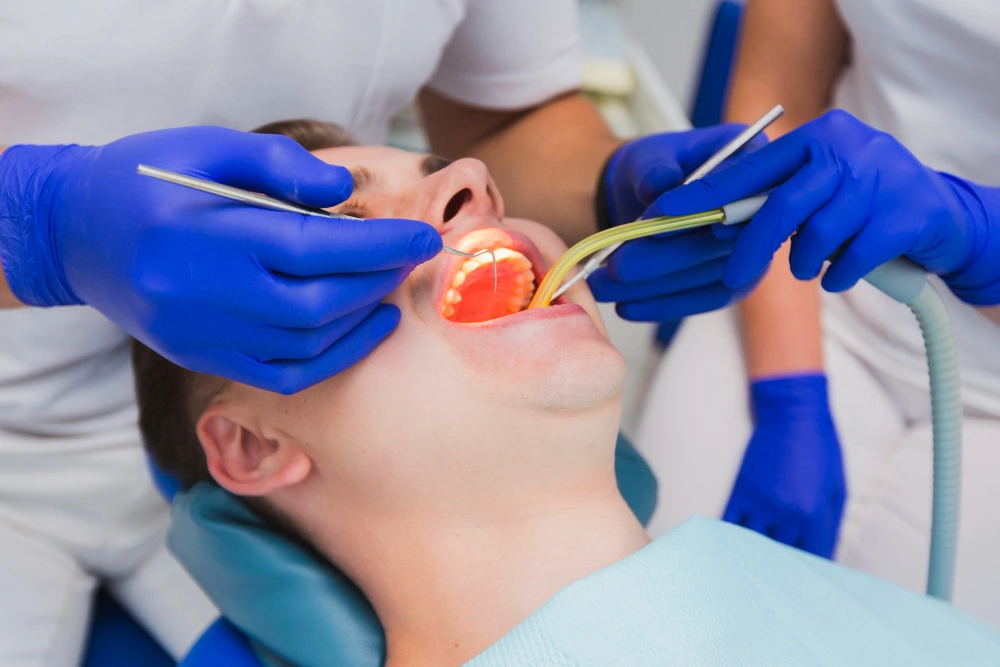
Dentists use specialized instruments to remove calculus safely and effectively.
Dental Scaling
Scaling involves removing calculus from the tooth surface and along the gumline.
It is a routine procedure commonly performed during professional cleanings.
Root Planing
When calculus extends below the gumline, root planing may be necessary.
This procedure smooths the tooth roots to help gums reattach and heal.
Professional treatment not only removes calculus but also helps prevent further buildup.
How Often Should Calculus Be Removed
The frequency of professional cleanings depends on individual risk factors.
Many patients benefit from cleanings every six months.
Those with gum disease or heavy calculus buildup may need more frequent visits.
Your dentist can recommend an appropriate schedule based on your oral health.
Preventing Calculus Teeth
Prevention is the most effective approach to managing calculus.
Brush your teeth twice daily using proper technique and fluoride toothpaste.
Floss daily to remove plaque between teeth.
Use a mouthwash that helps control plaque formation.
Maintain a balanced diet and limit sugary snacks.
Drink water regularly to support saliva production.
Avoid smoking and tobacco products.
Schedule regular dental checkups and cleanings.
Calculus Teeth in Children and Adults
Children can develop calculus, especially if oral hygiene habits are inconsistent.
Early education and supervision help reduce risk.
Adults are more likely to experience calculus due to lifestyle factors and long term plaque exposure.
Older adults may face additional challenges such as dry mouth or limited dexterity.
Tailored prevention strategies are important at every age.
Frequently Asked Questions About Calculus Teeth
Is Dental Calculus Permanent
Calculus remains on teeth until it is professionally removed.
Once removed, it can return if preventive care is not maintained.
Does Calculus Always Cause Gum Disease
Not always, but it significantly increases the risk.
Early removal helps prevent complications.
Can Calculus Affect Overall Health
Poor oral health has been linked to various systemic conditions.
Managing calculus supports overall well being.
When to See a Dentist
If you notice hard deposits, bleeding gums, or persistent bad breath, it is time to see a dentist.
Early intervention prevents minor issues from becoming serious problems.
Seeking care from experienced professionals ensures safe and effective treatment.
Conclusion
Calculus teeth are a common but preventable dental issue.
Understanding how calculus forms, recognizing early signs, and maintaining good oral hygiene are key steps toward prevention.
Professional dental care plays a crucial role in removing calculus and protecting long term oral health.
With consistent care and regular dental visits, you can maintain healthy teeth and gums and enjoy a confident smile for years to come.